Chinese Chicken Noodle Soup
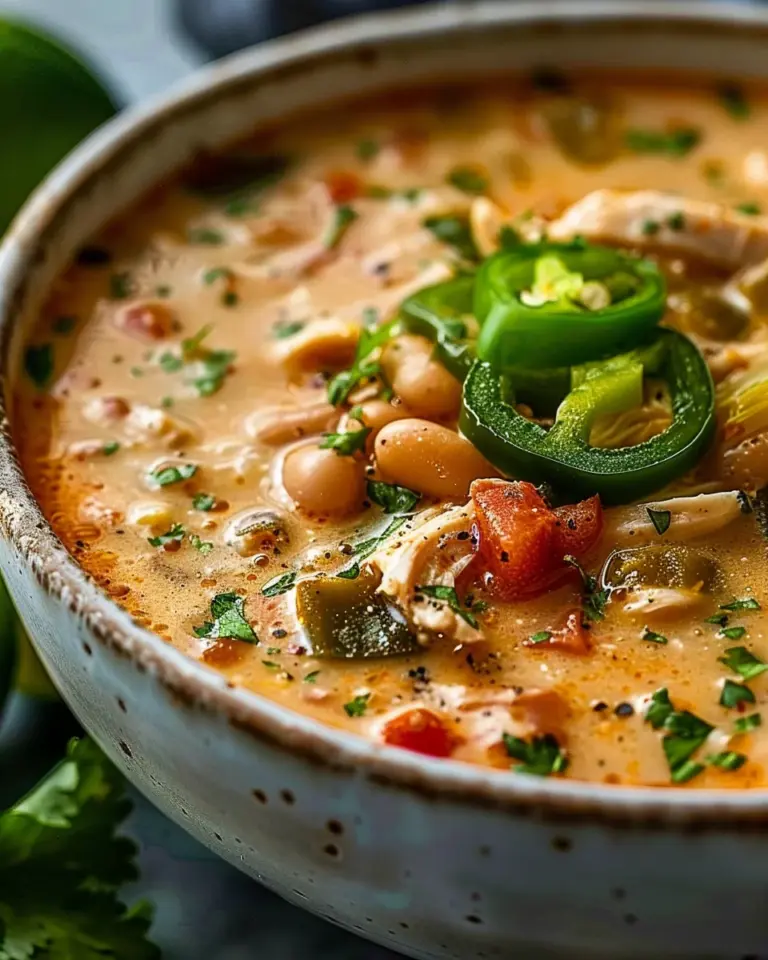
Chinese chicken noodle soup is a bowl of pure comfort. It brings together tender shredded chicken, springy noodles, and a fragrant clear broth infused with traditional Chinese aromatics like ginger, garlic, green onion, and cilantro. This soup is not just food—it’s a remedy. It warms you through on chilly days and lifts your spirits when you’re under the weather.
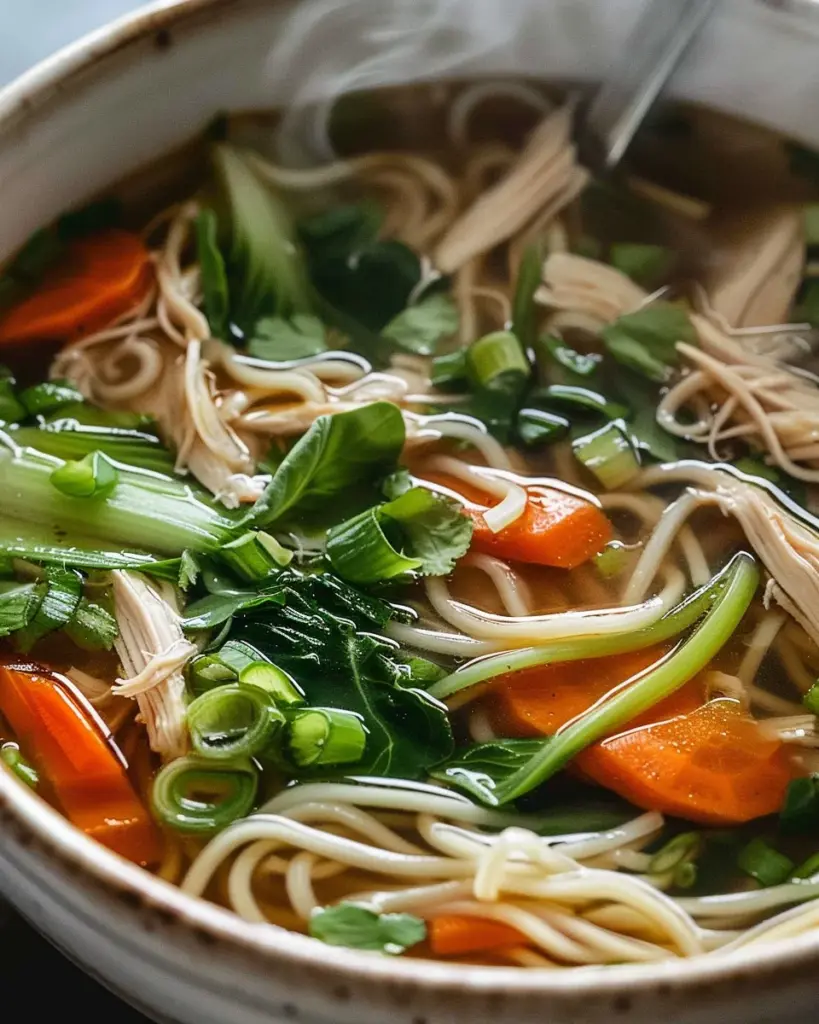
What sets this recipe apart is its rich yet clean flavor, achieved with bone-in chicken thighs and a carefully crafted balance of spices. It’s simple enough for a weeknight meal, yet satisfying and special enough to serve to guests.
Why You’ll Love This Recipe
- Fast but full of flavor: Just 25 minutes from start to finish.
- Comfort in every spoonful: Soothing broth, nourishing ingredients.
- Easy ingredients: Found in any grocery store.
- Healthy and balanced: Protein, vegetables, and noodles in one bowl.
- Customizable: Swap ingredients, adjust spice, and make it your own.
Now let’s walk through the preparation process to create this aromatic and comforting soup.
Preparation Phase & Tools to Use
Essential Tools and Equipment
To make the perfect Chinese chicken noodle soup, the following tools are highly recommended:
- 3.5-quart pot or Dutch oven: Ideal for even heating and simmering the broth.
- Separate pot for noodles: Prevents starchy water from clouding the soup.
- Tongs: Safely remove hot chicken from the pot.
- Two forks: Efficient for shredding the cooked chicken.
- Mesh colander or strainer: Ensures a clear broth by removing aromatics.
- Sharp knife and cutting board: For clean, precise slicing of vegetables and herbs.
Importance of Each Tool
Each tool contributes to the success of the dish:
- A heavy pot develops flavor and holds heat well.
- A separate noodle pot keeps the broth clean and clear.
- Tongs and forks streamline handling and shredding the chicken.
- A strainer enhances presentation and texture.
- Sharp knives make prep smoother and safer.
Preparation Tips
- Measure ingredients before starting.
- Prep all aromatics in advance.
- Simmer with lid on to preserve aroma and liquid.
- Cook noodles separately to avoid excess starch in broth.
- Garnish just before serving for maximum freshness.
Ingredients
For the Broth
- 1 teaspoon olive oil (or chicken fat)
- 2 pieces bone-in skin-on chicken thighs (or boneless, skinless)
- 4 cloves garlic, smashed
- 1-inch piece fresh ginger, sliced
- 1 green onion, halved
- ½ teaspoon cumin seeds
- ½ teaspoon Sichuan peppercorns (or black pepper)
- 1 teaspoon Shaoxing wine (or dry sherry)
- 4 cups chicken broth (or low-sodium chicken broth)
- ½ bunch fresh cilantro, including stems (about 1 cup packed)
- 1 bay leaf
For the Soup
- ½ teaspoon soy sauce (or to taste)
- 3 oz dried noodles (or 4 oz fresh noodles)
- 1 carrot, thinly sliced
- 3 baby bok choy, cut into six lengthwise pieces
- 2 tablespoons fresh cilantro, chopped (for garnish)
Step-by-Step Directions
- Heat the oil in a 3.5-quart pot over medium heat until shimmering.
- Add the chicken thighs, skin-side down. Cook undisturbed for 1 minute, until golden on the bottom.
- Flip the chicken. Add smashed garlic, sliced ginger, green onion, cumin seeds, and Sichuan peppercorns. Stir for 1 minute, allowing the aromatics to release their fragrance.
- Pour in Shaoxing wine, then add the chicken broth, cilantro (leaves and stems), and bay leaf.
- Bring to a boil over medium-high heat. Once boiling, reduce to a simmer. Cover and simmer for 20 minutes.
- While the broth simmers, cook the noodles in a separate pot according to the package instructions. Drain and set aside.
- Remove the chicken from the broth with tongs. Discard the skin and shred the meat using two forks.
- Strain the broth using a mesh colander. Discard the solids and return the clear broth to the pot.
- Add soy sauce and taste the broth. Adjust seasoning as needed. Bring it back to a gentle boil.
- Add the sliced carrots and cook for 3 minutes.
- Add bok choy and simmer for 1 minute, until just tender.
- Return shredded chicken to the pot and stir until warmed through.
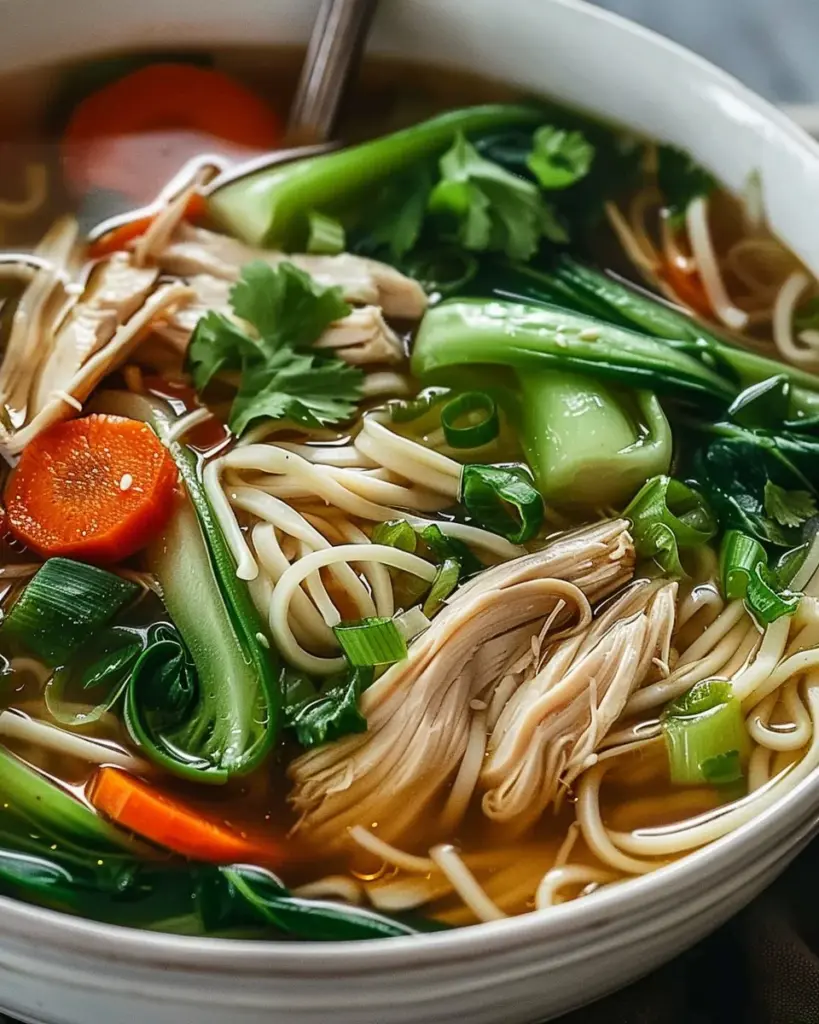
- Assemble bowls by placing noodles first, then ladle in broth, chicken, and vegetables.
- Garnish with chopped fresh cilantro and serve hot.
Serving Suggestions
Chinese chicken noodle soup is versatile and pairs beautifully with a variety of garnishes and side options. Here are some ways to elevate your meal:
- Add a drizzle of sesame oil for extra depth.
- Include chili oil for heat and complexity.
- Serve with extra soy sauce or vinegar on the side.
- Top with sliced green onions, toasted sesame seeds, or a soft-boiled egg.
- Use shallow bowls to showcase the vibrant colors of the broth and vegetables.
- Accompany with light tea like jasmine or green tea to cleanse the palate.
- Add more greens or mushrooms if serving as a full dinner.
- Customize each bowl based on personal preferences (more broth, more noodles, etc.).
Whether you’re serving this dish on its own or alongside other favorites, the options are flexible and flavorful.
Common Mistakes To Avoid & How to Perfect the Recipe
Cooking Chinese chicken noodle soup seems simple, but avoiding a few key missteps ensures the best results.
Common Mistakes and Solutions
- Using boneless chicken only: This leads to a lighter broth.
Solution: Use bone-in skin-on thighs for richer flavor. - Cooking noodles in the same pot as the broth: This makes the soup cloudy.
Solution: Always cook noodles separately. - Skipping the browning step: Results in a bland soup base.
Solution: Brown the chicken for extra depth. - Overcooking vegetables: Leads to mushy textures and loss of nutrients.
Solution: Add bok choy at the end and cook only briefly. - Not straining the broth: Aromatics may overpower the dish.
Solution: Use a mesh strainer for a clean, clear broth. - Using high-sodium store broth without adjusting: Makes the dish too salty.
Solution: Use low-sodium broth and season at the end. - Forgetting to taste and adjust: Can lead to underwhelming flavor.
Solution: Always taste before final serving and adjust seasoning. - Overcooking noodles: Leads to a soggy, sticky texture.
Solution: Follow package instructions, then rinse briefly in cool water to stop cooking.
Perfecting this recipe is all about balance: rich broth, perfectly cooked chicken, vibrant vegetables, and springy noodles.
Side Dish Recommendations
Pairing side dishes with Chinese chicken noodle soup enhances the experience. These options offer contrast and complement the main dish’s flavors and textures.
Garlic Bok Choy Stir-Fry
- Light, fast, and garlicky.
- Mirrors the greens in the soup while adding texture.
Chinese Cucumber Salad (Pai Huang Gua)
- Cool, crunchy, and tangy.
- Refreshing contrast to the warm, savory broth.
Pickled Vegetables
- Slightly sour and crisp.
- Cuts through the richness of the soup.
Steamed Dumplings
- Soft and savory.
- Can be filled with pork, vegetables, or shrimp.
- Ideal for dipping in light soy sauce alongside the soup.
Scallion Pancakes
- Crispy, flaky texture.
- Adds a savory, pan-fried element that complements the soup’s broth.
Chinese Broccoli with Oyster Sauce
- Deep green and slightly bitter.
- Balances the sweet and savory notes in the soup.
Cold Sesame Noodles
- Nutty and cool.
- A textural and temperature contrast when served as a small plate.
Egg Drop or Seaweed Soup
- A light starter or additional soup option.
- Keeps within the traditional Chinese flavor palette.
These sides round out the meal, making it more satisfying and diverse. They also give options whether you’re cooking for a casual weeknight dinner or hosting guests.
Recipe Tips, Storage and Reheating Instructions
Crafting the perfect bowl of Chinese chicken noodle soup involves small details that make a big difference. These expert tips will help you achieve consistently excellent results.
Recipe Tips
- Simmer longer for deeper flavor: While 20 minutes is enough, simmering the broth for up to 30–40 minutes intensifies the taste.
- Don’t skip browning the chicken: That golden crust adds rich, savory depth to your soup.
- Add aromatics early: Ginger, garlic, green onion, and spices need time to infuse into the broth.
- Cook noodles separately: Prevents cloudy broth and maintains noodle texture.
- Adjust salt at the end: Soy sauce and store-bought broth vary in saltiness; always taste before serving.
- Strain for clarity: Removing solids gives your soup a clean, restaurant-quality appearance.
- Use fresh herbs as garnish: Cilantro should be added fresh at the end, never boiled.
Storage Instructions
- Refrigerator: Store the broth and shredded chicken in an airtight container for up to 4 days.
- Noodles: Store separately to avoid sogginess. Keep cooked noodles in a sealed container for up to 2 days.
- Vegetables: For best results, cook bok choy and carrots fresh when reheating. Avoid storing them in the broth if possible.
Freezing Instructions
- Broth: Freeze in airtight containers or freezer bags for up to 3 months. Leave room for expansion.
- Chicken: Can be frozen in shredded form. Thaw overnight in the fridge before using.
- Do not freeze cooked noodles or vegetables. They become mushy and unappetizing upon thawing.
Reheating Instructions
- Broth and Chicken: Reheat gently on the stove until steaming hot.
- Vegetables: Add fresh or lightly cooked just before serving for best texture.
- Noodles: Boil fresh or briefly reheat in hot water separately to maintain texture.
Frequently Asked Questions (FAQs)
Can I use boneless skinless chicken thighs?
Yes, but bone-in skin-on thighs add much more flavor to the broth. You can still achieve a delicious result using boneless thighs or rotisserie chicken if you’re short on time.
What type of noodles should I use?
Dried Chinese wheat noodles or fresh wheat noodles are best. If using fresh noodles, use slightly more (about 4 oz) since they expand less. Egg noodles and ramen-style noodles are good alternatives.
Can I skip straining the broth?
You can, but the texture and appearance of the soup will change. The unstrained version may have bits of herbs and spices, which some people enjoy. For a cleaner finish, straining is recommended.
How do I adjust the spice level?
Use fewer Sichuan peppercorns for less heat. For more kick, add a spoonful of chili oil before serving or include a few dried chili flakes during the broth phase.
Can I use store-bought chicken broth?
Yes. Opt for low-sodium versions so you can control the final salt level. Homemade stock is ideal, but not necessary for great results.
What other vegetables can I use?
Spinach, napa cabbage, mushrooms, or choy sum are great additions or substitutes. Add leafy greens at the very end to preserve color and texture.
How long do leftovers last?
- Broth and chicken: Up to 4 days refrigerated.
- Noodles: 1–2 days separately, best if cooked fresh.
Can I make this gluten-free?
Yes. Use gluten-free soy sauce and gluten-free chicken broth. Substitute rice noodles or gluten-free ramen to complete the dish.
Why isn’t my broth aromatic enough?
Common reasons include skipping the browning step, undercooking the broth, or using too few aromatics. Let the aromatics cook until fragrant and don’t rush the simmering process.
How can I boost umami flavor?
Add a small amount of oyster sauce, dried shiitake mushrooms, or a splash of mushroom broth during the simmering stage for more depth.