homemade soft pretzel bites
These soft pretzels transform humble pantry staples into chewy, golden‑brown bites of comfort. With a warm yeast dough enriched by butter, the characteristic crust emerges thanks to a brief boil in a baking‑soda bath. Whether served straight from the oven or alongside a spicy cheese sauce or classic mustard, these pretzel bites deliver nostalgia and satisfaction in every bite.

Why readers will love it
- The enriched dough yields a soft, chewy interior and a crisp‑crust exterior.
- The baking soda bath gives the authentic pretzel flavor and deep golden colour.
- They work beautifully as a snack, appetizer, or party treat — and they’re fun to shape, too.
- With your own batch, you avoid the artificial additives, excessive salt, or preservatives in store versions.
- There’s room for variation: salt‑topped classic, cinnamon‑sugar sweet version, or herb‑butter twist.
Preparation Phase & Tools to Use
Essential Tools and Equipment
- Stand mixer with dough hook or large mixing bowl and strong wooden spoon — enables easier dough mixing and kneading.
- Dough hook (if using mixer) or your hands for manual kneading — ensures gluten develops for the right texture.
- Sharp knife, pizza cutter, or bench scraper — for dividing the dough cleanly.
- Baking sheets lined with silicone baking mats or lightly greased parchment paper — gives non‑stick surface and even bake.
- Large pot for the baking soda bath — to create that signature crust.
- Slotted spoon or spatula — to safely transfer dough pieces from the bath to the baking sheet.
- Oven thermometer (optional but helpful) — for accurate oven temperature and consistent results.
Importance of Each Tool
- A stand mixer or proper kneading matters because the dough must develop enough elasticity (windowpane test) for that chewy interior.
- The sharp divider (knife or bench scraper) ensures portioning is clean, so each bite cooks evenly.
- Silicone mats or parchment paper help prevent sticking and promote even browning.
- The large pot and slotted spoon are needed for the baking soda bath step — critical to achieving the correct crust texture and flavour.
- An oven thermometer improves reliability because ovens vary — accurate temperature helps prevent under‑ or over‑baking.
Preparation Tips
- Ensure the water is lukewarm (approx. 100 °F / 38 °C) so your yeast activates without being killed by heat.
- Melt and slightly cool your butter so it mixes smoothly without cooking the yeast.
- Spoon and level flour rather than scooping directly, for accurate measurement.
- When kneading manually, lightly flour your surface but avoid over‑flouring as this can dry the dough.
- Use the windowpane test: stretch a small piece of dough until it becomes translucent without tearing — that’s your sign the dough is ready.
- If the dough resists shaping (it springs back), let it rest for 10 minutes to relax the gluten before rolling.
- Preheat the oven fully before baking — aim for the correct temperature for best crust color and texture.
List of all required ingredients
Dough
- 1 ½ cups (360 ml) warm water (approx. 100 °F / 38 °C)
- 2 ¼ teaspoons (7 g) instant or active dry yeast (1 standard packet)
- 1 Tablespoon brown sugar or granulated sugar
- 1 teaspoon salt
- 1 Tablespoon (14 g) unsalted butter, melted and slightly cooled
- 3 ¾ – 4 cups (469‑500 g) all‑purpose flour (spooned & levelled), plus more for hands and work surface
Topping & Boiling Bath
- Coarse salt or coarse sea salt, for sprinkling
- ½ cup (120 g) baking soda
- 9 cups (2,160 ml) water
Serving
- Spicy cheese sauce or your favourite mustard, for serving
Step‑by‑step directions
- Make the dough:
- In the bowl of your stand mixer (or a large mixing bowl), whisk together warm water, yeast, and sugar. Cover and let sit about 5 minutes until foamy (yeast is active).
- Add salt, melted butter, and 3 cups (375 g) flour. Beat on low speed ~1 minute; scrape down sides.
- Add remaining ¾ cup (95 g) flour. Beat on low until dough pulls away from the sides, about 2 minutes. If dough is very sticky, add up to ¼ cup more flour and beat for another minute.
- Knead the dough:
- Switch to dough hook if using mixer and knead ~5 minutes; or knead by hand on a lightly floured surface ~5 minutes. Add flour as needed so the dough is slightly tacky but not dry.
- Perform the windowpane test: stretch a small piece until you can see light through it without tearing — dough is ready.
- Rest the dough:
- Cover the dough lightly with a towel and let it rest for 10–30 minutes. This allows gluten to relax and makes shaping easier. Meanwhile, prepare the baking soda bath.
- Preheat oven & prepare pans:
- Preheat oven to 400 °F (204 °C).
- Line two baking sheets with silicone baking mats or parchment paper lightly greased with butter or non‑stick spray.
- Shape the dough:
- On a lightly floured surface (use minimal flour), divide dough into 6 equal pieces — since the yield is ~5 servings (about 6 bites each) you’ll end up with ~30 pieces total.
- Roll each piece into ~20‑inch ropes. If the dough resists stretching and springs back, cover and rest for 10 minutes to relax gluten.
- Cut each rope into 1.5 to 2‑inch pieces to create pretzel bites.
- Prepare baking soda bath:
- In a large pot, combine 9 cups water and ½ cup baking soda. Bring to a rolling boil.
- Boil the pretzel bites:
- Drop 8–10 pretzel bites at a time into the boiling bath for about 10–15 seconds (no longer, to avoid any metallic taste).
- Using a slotted spoon or spatula, remove bites, let excess water drip off, then transfer to prepared baking sheets. Immediately sprinkle with coarse sea salt (or reserve plain if you want cinnamon‑sugar topping).
- Bake pretzel bites:
- Bake in the preheated oven for ~15 minutes or until golden brown and cooked through.
- Remove from oven and serve warm with your chosen dipping sauce (spicy cheese sauce or mustard).
- Storage:
- Leftover pretzel bites can be stored covered at room temperature for up to 3 days.
- To reheat, microwave briefly or bake at 350 °F (177 °C) for about 5 minutes to restore crispness.
Tips or variations where applicable
- For a sweet version: Instead of sprinkling coarse salt, you can brush the baked bites with melted butter and toss in cinnamon‑sugar mixture.
- If the dough is hard to shape (springs back): Allow it to rest for 10 minutes before rolling to relax the gluten.
- You may refrigerate boiled but unbaked pretzel bites (covered) for up to 24 hours before baking — useful for prepping ahead.
- Use bread‑flour instead of all‑purpose if you prefer an extra chewy interior (some sources show this enhances texture).
- For accurate flour measurement: Spoon and level the flour rather than scooping; avoid packing the flour for consistent dough texture.
- Optional: Brush the baked pretzels with melted butter immediately after baking for extra richness and soft sheen.
Serving Suggestions
Your soft pretzels shine most when paired with the right accompaniments. Consider these serving suggestions to elevate the experience:
- Serve the pretzel bites warm, straight from the oven. The contrast of the warm pastry and cool dip makes a big difference.
- Present a selection of dipping sauces—classic mustard, spicy cheese sauce (as originally suggested), perhaps even a sweet option like cinnamon sugar or caramel.
- Arrange the bites on a platter, sprinkle with coarse salt immediately after boiling, and offer the dips in small bowls for communal sharing.
- For a party or snack‑board setup, include fresh veggies or pickles alongside—these add acidity and crunch to balance the chewy pretzel texture.
- Consider beverage pairings: a light beer, a crisp cider, or non‑alcoholic sparkling water with lemon work well alongside the salty‑chewy bites.
Common Mistakes To Avoid & How to Perfect the Recipe
Avoiding these common pitfalls will ensure your pretzel bites are top‑notch:
- Mistake: Water for activating yeast is too hot → kills the yeast.
Fix: Use lukewarm water (~100 °F / 38 °C) to activate the yeast without damaging it. - Mistake: Dough is under‑kneaded → weak gluten structure, poor chew.
Fix: Perform the windowpane test (stretch a small piece until light passes through without tearing) to ensure proper kneading. - Mistake: Dough too sticky or too dry.
Fix: Add flour gradually—aim for a slightly tacky but not wet dough; over‑flouring can dry out the interior. - Mistake: Skipping or shortening the baking‑soda bath.
Fix: Don’t skip this step—boiling in baking soda bath is key to the authentic crust and colour. Boil for ~10‑15 seconds—not longer or you risk a metallic taste. - Mistake: Not preheating the oven or uneven baking surface.
Fix: Make sure oven reaches 400 °F (204 °C) before baking. Use lined baking sheets for even browning and easy removal. - Mistake: Topping pretzels after baking instead of immediately after boiling.
Fix: Sprinkle coarse salt (or other topping) while the surface is still wet from the bath so it adheres properly. - Mistake: Serving pretzels cold or letting them sit too long.
Fix: Serve warm. If you must hold them, reheat briefly in a 350 °F (177 °C) oven for ~5 minutes to regain crisp exterior and soft interior.
Side Dish Recommendations
Here are eight side dish ideas that pair beautifully with soft pretzels:
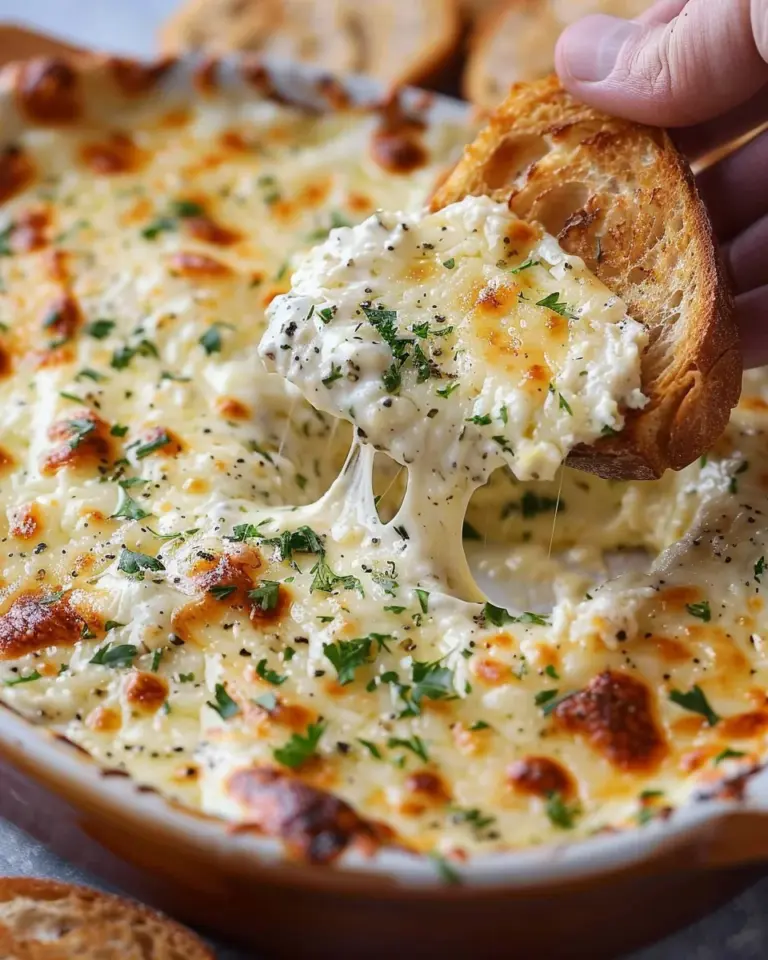
1. Spinach Artichoke Dip
A creamy, rich dip made with spinach, artichoke hearts, and melted cheese. This savoury dip complements the salty, chewy pretzels nicely.
2. Broccoli Cheddar Soup
A warm, comforting bowl of thick soup with sharp cheddar and broccoli. Perfect to dunk a pretzel bite and make it heartier.
3. Hummus
A smooth, nutritious dip—chickpeas, tahini, lemon & garlic—offering a contrasting texture and flavour to the pretzel’s crust.
4. Mustard Sauce
A classic pairing for pretzels: the bite of mustard cuts through the richness and salt of the dough. Choose Dijon, honey mustard or spicy brown for variation.
5. Chocolate Fondue
Turn your pretzels into a dessert experience: warm melted chocolate for dipping salty pretzel bites creates a delightful sweet‑savory contrast.
6. Caramel Sauce
Another sweet twist—brush pretzels with butter, then dip in caramel sauce for a dessert‑style snack. Great if you used cinnamon sugar topping instead of salt.
7. Guacamole
Creamy, tangy avocado dip adds freshness and a different flavour profile. The soft pretzel texture holds up nicely with the creamy guacamole.
8. Pimento Cheese Spread
A Southern‑style cheese spread (sharp cheddar, mayo, pimentos) that’s flavour‑packed and pairs well with the simple pretzel base.
Recipe Tips, Storage and Reheating Instructions
Recipe Tips
- For extra chewiness, ensure the dough is kneaded until it passes the windowpane test (i.e., when stretched a small piece will let light through without tearing).
- If dough resists shaping and springs back, let it rest 10 minutes before rolling—this relaxes the gluten.
- While shaping ropes, keep your flour use minimal—too much flour will dry the interior.
- When dropping into the baking‑soda bath, keep the time short (about 10‑15 seconds for bites) to avoid a metallic taste.
- After the bath, allow excess water to drip off before placing on the baking sheet—wet surfaces can hinder browning.
- Sprinkle coarse salt (or other toppings) immediately after the bath while surface is moist so it adheres well.
- Clean and grease (or use silicone mats) your baking sheets for easier release and better crust.
- Serve the pretzel bites warm—enjoy them shortly after baking for best texture.
Storage Instructions
- Let the pretzel bites cool completely before storing—hot pretzels produce steam inside a container and can become soggy.
- Short‑term (up to ~3 days): Store at room temperature in an airtight container or plastic wrap. Refrigeration is not recommended because bread products often stale faster in the fridge.
- Long‑term (freezing): Wrap pretzels tightly (plastic wrap + foil or freezer bag) and freeze for up to ~3 months. Label date.
- If topping with salt, consider storing without salt and add just before serving. Salt draws out moisture over time and can make the surface wrinkled or soggy.

Reheating Instructions
- Microwave (quickest): Place pretzel bites on a microwave‑safe plate, cover with a damp paper towel, and heat in 15‑second intervals until warm. Note: this method may soften the crust.
- Oven or Toaster Oven (best crust): Preheat oven to ~350 °F (177 °C). If pretzels are frozen or stored, sprinkle a little water on them, wrap loosely in foil (for softer crust) or leave uncovered (for crisper crust), then bake 3‑5 minutes for bites (or 4‑8 minutes for larger pretzels) until warmed through.
- From Frozen Directly: No need to thaw. Brush frozen pretzels with water, optionally sprinkle salt, and bake at ~350 °F (177 °C) for about 20 minutes or until heated through.
FAQs
Q: Can I freeze the dough instead of the baked pretzels?
A: Yes — you can freeze either shaped unbaked dough, boiled but unbaked pretzels, or fully baked pretzels. For dough, wrap tightly and freeze up to 2‑3 months; thaw in the fridge overnight before shaping and proceeding.
Q: How long do homemade pretzel bites stay good at room temperature?
A: When stored properly (airtight container, properly cooled), up to ~3 days at room temperature. After that, texture and flavour decline.
Q: Why did my pretzels lose their chew or become hard after storing?
A: Common causes: storing while still warm (creating condensation), storing salted before serving (salt draws moisture out), refrigerating (accelerates staling). To avoid this, cool fully, store unsalted if planning ahead, and prefer room temperature or freeze.
Q: Can I reheat pretzels without losing the crust texture?
A: Yes — reheating in the oven or toaster oven is the best way to restore a crisp exterior and soft interior. Microwaving is faster but may soften the crust.
Q: Should I top pretzels with salt before storing?
A: It’s better to apply salt right before serving if you plan to store pretzels. Salt draws out moisture over time, which can make the surface wrinkled or soggy.
Q: Do I need to boil the dough in a baking soda bath? What if I skip it?
A: The baking‑soda bath is what gives pretzels their characteristic chewy crust and deep golden‐brown colour. Skipping it will change the texture and appearance. Some recipes provide an egg‑wash alternative, but you’ll lose that classic pretzel flavour and crust.