Tasty deep fried cheesecake delight – Delicious & Easy!
A Sweet Slice of Nostalgia
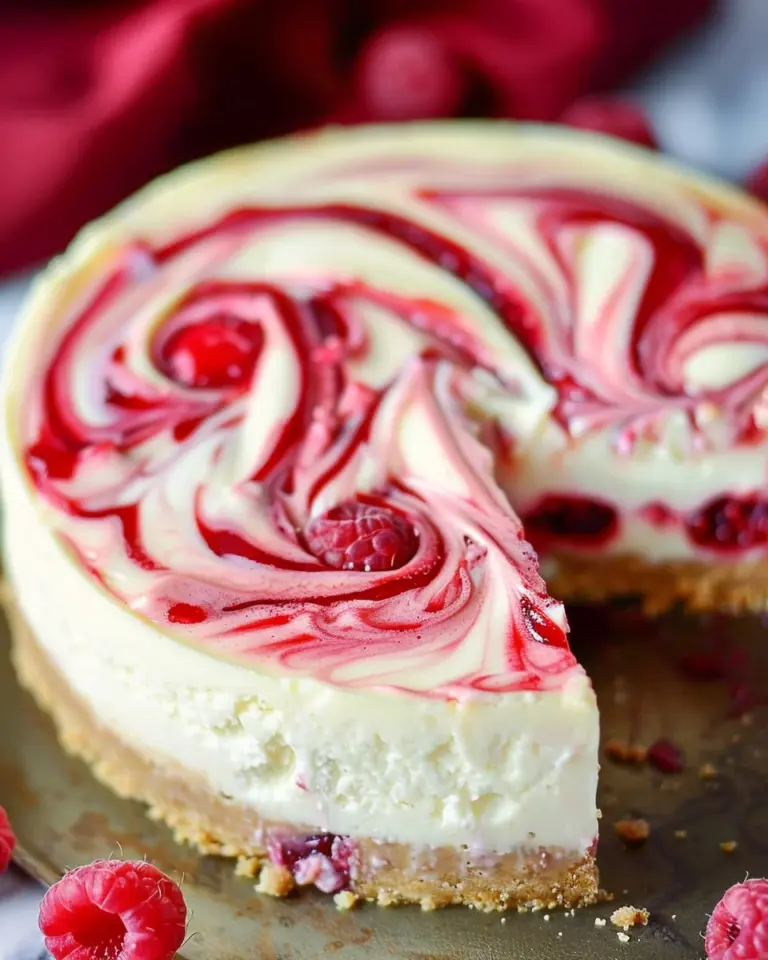
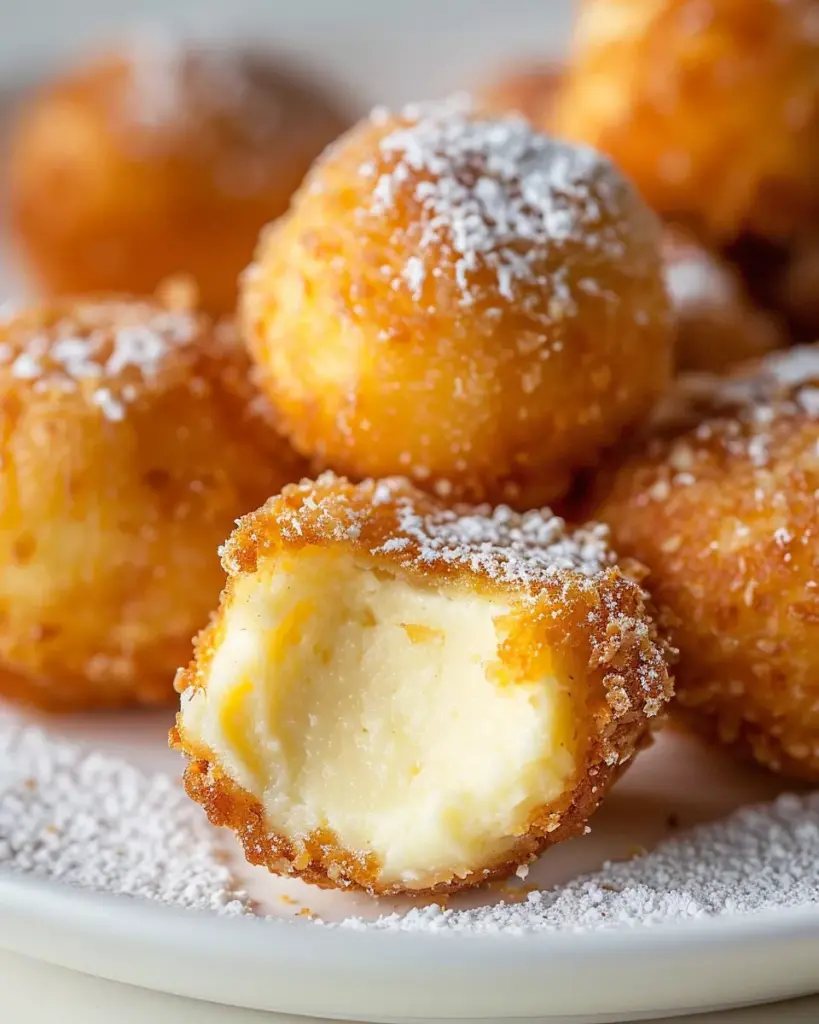
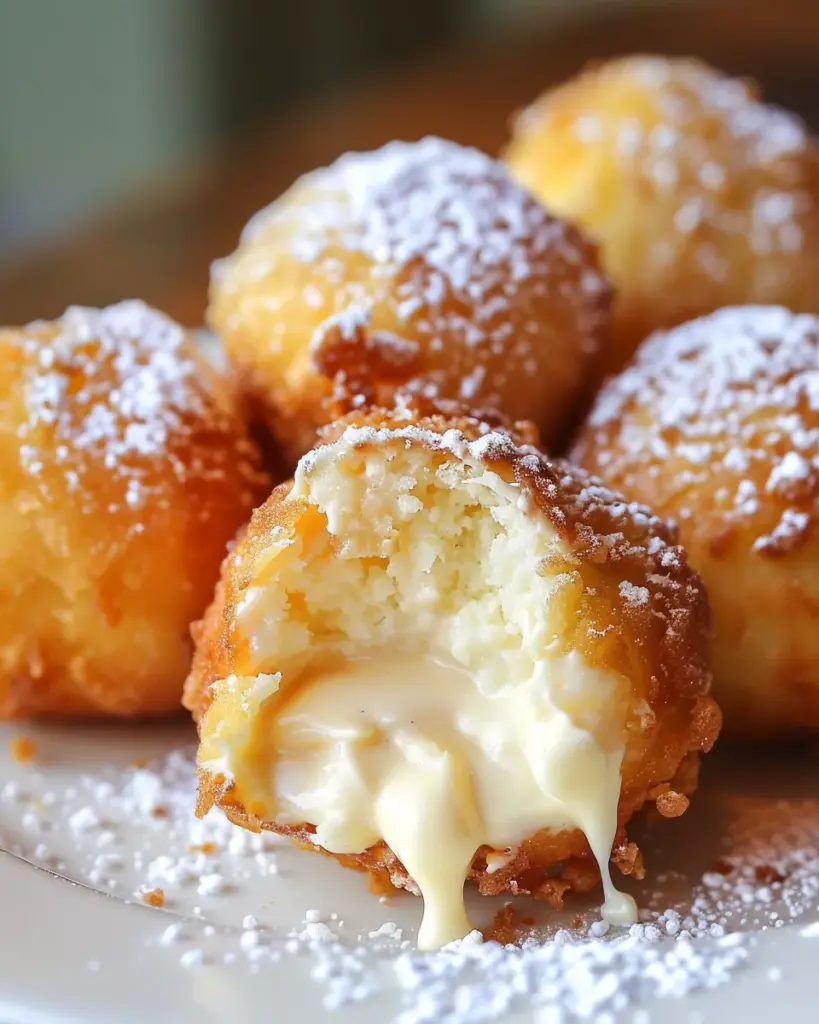
Have you ever craved the enchanting flavors of a funfair, where sweet, fried treats fill the air with irresistible aromas? Deep fried cheesecake delight delivers that experience right to your kitchen. This recipe brings together the cool creaminess of cheesecake and the crispy crunch of deep-fried batter into a single, unforgettable bite.
Why You’ll Love This Dessert
- Irresistible Texture Contrast: Crunchy outside, smooth and creamy inside.
- Simple Yet Impressive: Show-stopping results from basic ingredients.
- Perfect for Parties: A guaranteed conversation starter.
- Easily Customizable: Endless variations and toppings possible.
Preparation Phase & Tools to Use
Getting the prep right is the secret behind a perfect deep fried cheesecake delight. Here’s what you’ll need.
Essential Tools and Equipment
To set yourself up for success, gather the following kitchen tools:
- Heavy-Based Saucepan or Dutch Oven
Maintains stable frying temperature and reduces oil spillage risk. - Deep Fry Thermometer
Critical for monitoring oil temp to ensure your batter fries evenly. - Wire Rack or Plate Lined with Paper Towels
Helps drain excess oil to keep the exterior crisp. - Baking Tray and Parchment Paper
For spacing and freezing your cheesecake pieces prior to frying. - Cocktail Sticks or Small Skewers
Useful for dipping and frying individual portions safely. - Medium Mixing Bowls and Whisk
For preparing the batter.
These tools are essential for controlling temperature, texture, and safety while deep frying.
Preparation Tips
Here’s how to make sure your cheesecake delight comes out flawlessly:
- Freeze Cheesecake Solid
This is non-negotiable. Soft cheesecake will melt in the oil. Freeze for at least 2–3 hours—preferably overnight. - Cut into Equal Portions
Uniform size ensures even frying and better presentation. - Don’t Overmix the Batter
A few small lumps are fine—overmixing can lead to a dense crust. - Test Oil with a Small Drop of Batter
It should sizzle and turn golden in 60 seconds. That’s the sweet spot. - Work in Small Batches
Frying too many at once lowers oil temperature, leading to soggy results.
Ingredients – What You’ll Need
For the Cheesecake (or a Time-Saving Shortcut)
- One firm cheesecake, fully chilled and preferably frozen
(Store-bought is perfectly fine—choose a plain or vanilla flavour for best results.)
For the Crispy Batter
- 120g (1 cup) plain flour
- 50g (¼ cup) caster sugar
- 1 teaspoon baking powder
- Pinch of salt
- 1 large egg
- 120ml (½ cup) milk
- ½ teaspoon vanilla extract
- 1–1.5 litres of vegetable or canola oil (for deep frying)
Step-by-Step Directions
Follow these steps closely to master this deep fried cheesecake delight.
- Slice and Freeze the Cheesecake
Cut your cheesecake into small squares or slices. Insert a skewer into each piece. Line a tray with parchment paper, place the pieces with space between them, and freeze for at least 2–3 hours (overnight is best). - Prepare the Batter
In a medium bowl, sift flour, sugar, baking powder, and salt. In a separate bowl, whisk egg, milk, and vanilla extract. Combine the wet and dry ingredients and stir just until incorporated. The batter should be thick—similar to pancake batter. - Heat the Oil
Pour oil into a deep saucepan or Dutch oven to a depth of 2–3 inches. Heat to 180°C (350°F). Use a thermometer or test with a drop of batter—it should sizzle and turn golden within a minute. - Coat the Cheesecake
Remove a few frozen cheesecake pieces from the freezer. Dip each into the batter, ensuring full coverage. Let any excess batter drip off. - Fry the Cheesecake
Gently lower coated pieces into hot oil. Fry only 2–3 pieces at a time to avoid cooling the oil. Cook each side for 60–90 seconds until golden brown. - Drain and Serve Immediately
Transfer fried cheesecake to a wire rack or paper towel-lined plate. Serve hot while the coating is crisp and the cheesecake centre is cool and creamy.
Tips and Tricks for a Flawless Result
- Freeze Thoroughly: Prevents meltdown in hot oil.
- Use a Neutral Oil: Choose vegetable, canola, or sunflower for clean flavour.
- Watch Your Temperature: Keep oil between 175–185°C.
- Thick Batter = Better Seal: Thinner batter risks leakage.
- Drain Before Serving: A wire rack is best for crisp results.
- Serve Immediately: Maximize the textural contrast for the best experience.
- Stick to Small Batches: Helps retain oil temp and crisp texture.
- Use a Slotted Spoon: For easy and safe removal from oil.
Serving Suggestions
The beauty of the deep fried cheesecake delight lies not only in its irresistible texture but also in its versatility. Once fried to golden perfection, these cheesecake bites become the perfect canvas for a wide range of creative toppings and presentations.
Whether you’re serving them for a casual gathering or a formal celebration, these serving suggestions will help you elevate this fried cheesecake recipe into something truly memorable.
Top Serving Ideas
- Classic Powdered Sugar Dusting
A simple yet elegant way to finish off your dessert. Lightly sift powdered sugar over the hot cheesecake bites for a touch of sweetness and visual appeal. - Chocolate or Caramel Drizzle
Drizzle warm chocolate ganache or a rich caramel sauce over the top. It adds depth and a decadent layer to the crispy coating. - Fresh Berries or Fruit Compote
Add a burst of freshness with strawberries, raspberries, or blueberries. For an extra treat, try a spoonful of homemade fruit compote on the side. - Vanilla Ice Cream
A scoop of vanilla bean ice cream alongside your deep fried cheesecake delight enhances the contrast of hot and cold, soft and crunchy. - Whipped Cream and Mint
Lightly sweetened whipped cream, garnished with fresh mint, gives a refreshing counterbalance to the richness of the dessert. - Toasted Nuts or Cookie Crumbs
Sprinkle crushed graham crackers, toasted almonds, or pecans for added texture and flavor. - Sauce Flights
Offer a trio of dipping sauces—chocolate, raspberry coulis, and salted caramel—for an interactive dessert platter. - Plated with Style
For a formal presentation, serve the cheesecake bites on a white plate, dust with sugar, and garnish with a sprig of mint or a decorative swirl of sauce.
Common Mistakes To Avoid & How to Perfect the Recipe
Even simple recipes come with pitfalls. Here are the most common mistakes home cooks make when preparing deep fried cheesecake delight, along with solutions to ensure every batch is flawless.
Mistake 1: Inadequate Freezing Time
The Problem:
Not freezing the cheesecake solid allows the filling to melt rapidly in the oil, creating a mess and ruining the texture.
The Fix:
Freeze cheesecake pieces for at least 2–3 hours. Overnight freezing is strongly recommended.
Mistake 2: Wrong Oil Temperature
The Problem:
Too cool, and the batter absorbs oil, becoming greasy. Too hot, and the crust burns before the inside heats.
The Fix:
Use a thermometer to keep oil between 175–185°C (347–365°F). Maintain consistent heat by frying in small batches.
Mistake 3: Batter Too Thin or Thick
The Problem:
Thin batter won’t adhere; thick batter creates a heavy, uneven coating.
The Fix:
Aim for pancake-batter consistency. Adjust with a little milk or flour as needed.
Mistake 4: Overcrowding the Fryer
The Problem:
Adding too many pieces drops the oil temperature, leading to soggy results.
The Fix:
Fry only 2–3 pieces at a time. Allow oil to return to temperature before the next batch.
Mistake 5: Using the Microwave to Reheat
The Problem:
Microwaving makes the coating soggy and ruins the contrast.
The Fix:
Use a conventional oven or air fryer for reheating. This keeps the crust crisp and the center creamy.
Mistake 6: Not Draining Properly
The Problem:
Excess oil on the coating leads to a greasy mouthfeel.
The Fix:
Transfer freshly fried pieces to a wire rack or paper-towel-lined plate immediately after frying.
Mistake 7: Serving Too Late
The Problem:
Letting the dessert sit causes the crisp exterior to soften and the contrast to fade.
The Fix:
Serve immediately after frying for the ultimate hot-and-cold experience.
Side Dish Recommendations
Pairing your deep fried cheesecake delight with the right accompaniments can take your dessert presentation to the next level. Below are eight side dish ideas designed to balance the richness of the cheesecake and add variety to your dessert table.
Fresh Berry Salad
A mix of seasonal berries tossed with a touch of lemon juice and a sprinkle of sugar provides brightness and freshness that complements the indulgent dessert.
Salted Caramel Sauce with Pretzel Sticks
Offer a side of salted caramel sauce with crunchy pretzels for dipping. The sweet and salty combination enhances every bite of the cheesecake.
Vanilla Bean Ice Cream
Classic and crowd-pleasing, vanilla bean ice cream contrasts beautifully with the warm, crispy texture of the fried cheesecake.
Espresso Shot or Dark Coffee
A strong espresso or freshly brewed dark roast coffee balances the sweetness of the dessert and acts as a palate cleanser.
Citrus Sorbet Trio
Serve mini scoops of lemon, orange, and grapefruit sorbet for a refreshing, tart contrast to the rich cheesecake filling.
Caramelised Banana Slices
Quickly sauté banana slices in butter and brown sugar until golden. These add a soft texture and natural sweetness.
Mint Whipped Cream
Fold finely chopped mint leaves into whipped cream for a light and aromatic addition. This lifts the richness of the fried dessert.
Berry Coulis with Shortbread Crumble
A drizzle of tangy berry coulis and a scattering of buttery shortbread crumbs adds both visual appeal and a burst of flavour.
Recipe Tips, Storage and Reheating Instructions
Your deep fried cheesecake delight is best enjoyed fresh, but with the right techniques, you can prepare ahead, store leftovers, and even reheat with minimal loss of texture and flavour. Let’s cover essential tips to get it just right every time.
Additional Recipe Tips
- Prep in Advance
Slice and freeze the cheesecake a day before frying. You can even coat them in batter and freeze again for quick frying later. - Try Different Coatings
Use crushed biscuits, panko breadcrumbs, or graham cracker dust in your batter mix for added texture. - Flavour Infusions
Add lemon zest, almond extract, or cinnamon to the batter for subtle aromatic twists. - Mini Bites for Parties
Cut cheesecake into smaller pieces for party platters or dessert buffets. These are easier to eat and serve. - Control the Size
Smaller pieces cook faster and more evenly, reducing the chance of batter burning or filling melting.
Storage Instructions
While the fried cheesecake recipe is at its best when freshly made, you can still store it for later:
- Refrigerate Leftovers
Store in an airtight container in the fridge for up to 2 days. Ensure they are fully cooled before refrigerating to avoid condensation. - Avoid Stacking
Keep them in a single layer or use parchment between layers to prevent sticking and sogginess. - Freezing (Optional)
You can freeze batter-coated, uncooked cheesecake pieces. Flash freeze on a tray, then store in a freezer bag for up to 1 month. Fry straight from frozen when ready.
Reheating Instructions
For best results, avoid microwaving. Instead, use one of these two reheating methods:
- Air Fryer Method
Preheat air fryer to 200°C (400°F). Spray the cheesecake bites lightly with oil. Air fry for 5–7 minutes until hot and crispy. - Conventional Oven Method
Preheat oven to 180°C (350°F). Place cheesecake bites on a wire rack over a baking tray. Heat for 5–8 minutes or until outer shell is crisp and inside is warm.
Frequently Asked Questions (FAQ)
Can I use a store-bought cheesecake?
Absolutely. A store-bought plain or vanilla cheesecake works perfectly. Just ensure it’s firm and chilled before slicing and freezing. Avoid soft or whipped cheesecakes, which may collapse in hot oil.
What oil is best for frying dessert like this?
Choose a neutral oil with a high smoke point. The top options include:
- Vegetable oil
- Canola oil
- Sunflower oil
- Peanut oil
These oils don’t overpower the dessert and can handle the high temperature required for frying.
How do I prevent the cheesecake from melting while frying?
Freezing is the key. Make sure the pieces are completely solid. Also, coat evenly in thick batter and fry at the correct temperature (180°C). This creates a barrier that protects the creamy interior.
Can I make this in an air fryer instead of deep frying?
You can, but the result will differ. Air frying gives a baked-like finish rather than the signature crisp shell of deep frying. Spray with oil and air fry at 200°C for 5–7 minutes. The texture won’t be identical, but still delicious.
What size should the cheesecake pieces be?
Cut the cheesecake into bite-sized cubes (about 1.5 inches) or small slices. This size ensures even cooking, keeps the interior cool, and makes them easier to coat and serve.
How should I store leftovers?
Cool completely before storing. Place in a single layer in an airtight container and refrigerate. They’ll last up to 2 days, though texture is best immediately after frying.
How can I keep the crust crisp after frying?
Place freshly fried cheesecake bites on a wire rack, not paper towels. This allows airflow underneath, preventing steam buildup. Serve immediately for maximum crispness.
What are some topping variations I can try?
- Drizzle sauces: chocolate, caramel, berry coulis
- Sprinkle toppings: powdered sugar, crushed nuts, cookie crumbs
- Add accompaniments: ice cream, fresh fruit, whipped cream
- Go seasonal: pumpkin spice caramel in fall, citrus zest in summer
Can I make this dessert ahead of time for a party?
Yes. Pre-slice and freeze the cheesecake. You can also batter and freeze the pieces. Fry just before serving to keep them hot and crisp.
Can I double or triple the recipe?
Definitely. Just maintain small batches when frying and ensure the oil temp recovers between rounds. Too many at once will drop the oil temperature and affect quality.