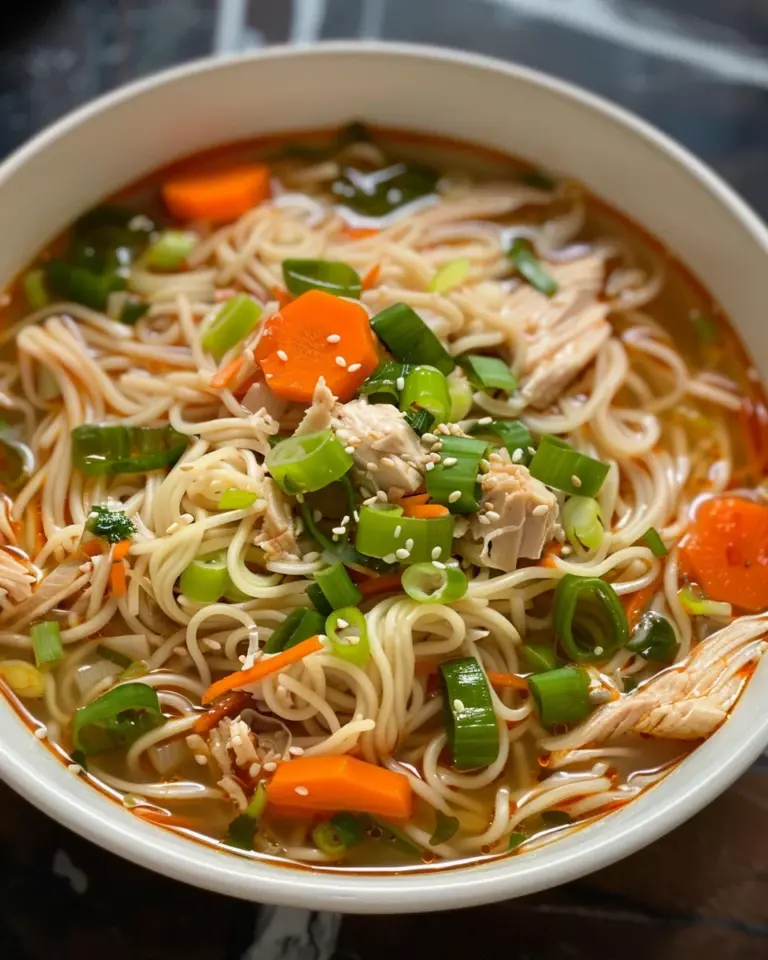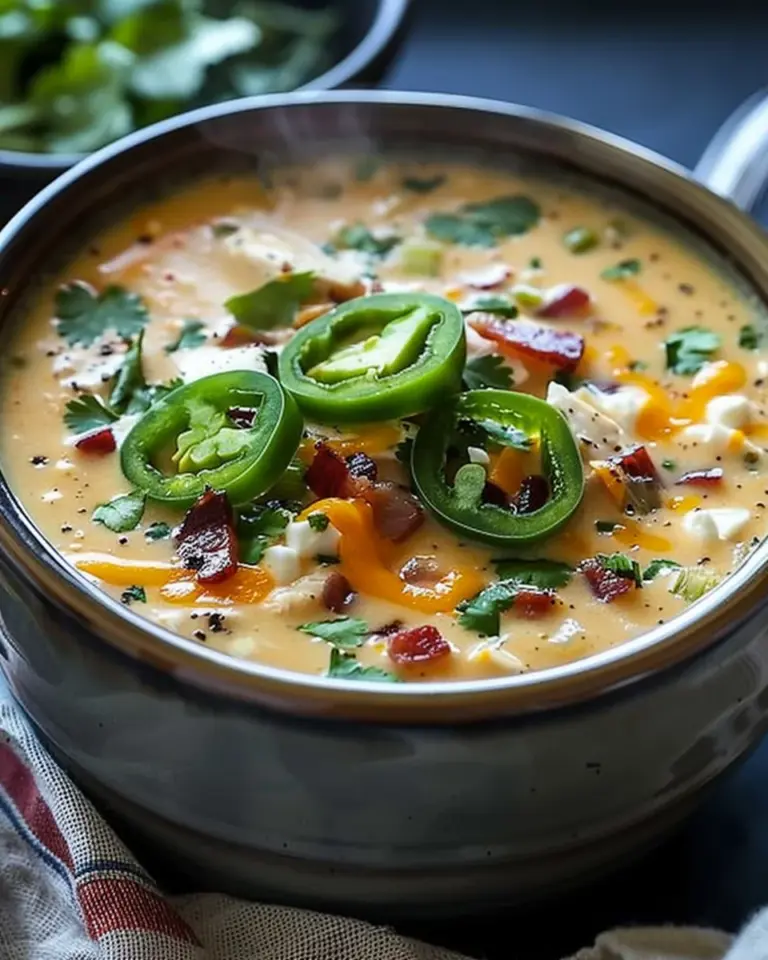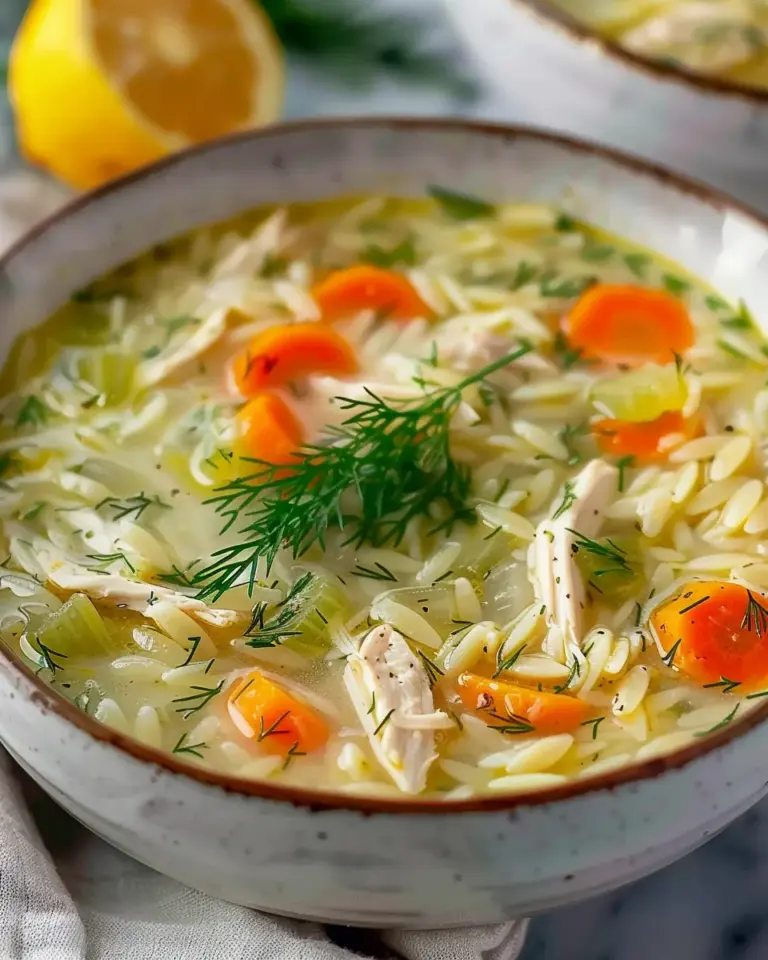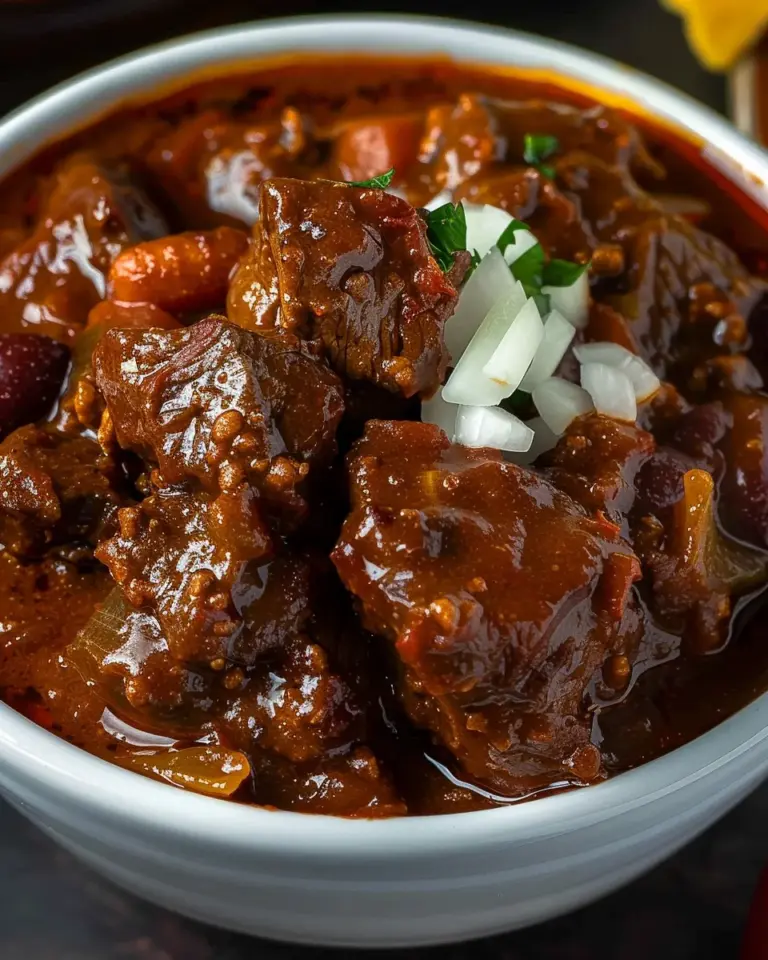
crockpot Thai Coconut Chicken Soup
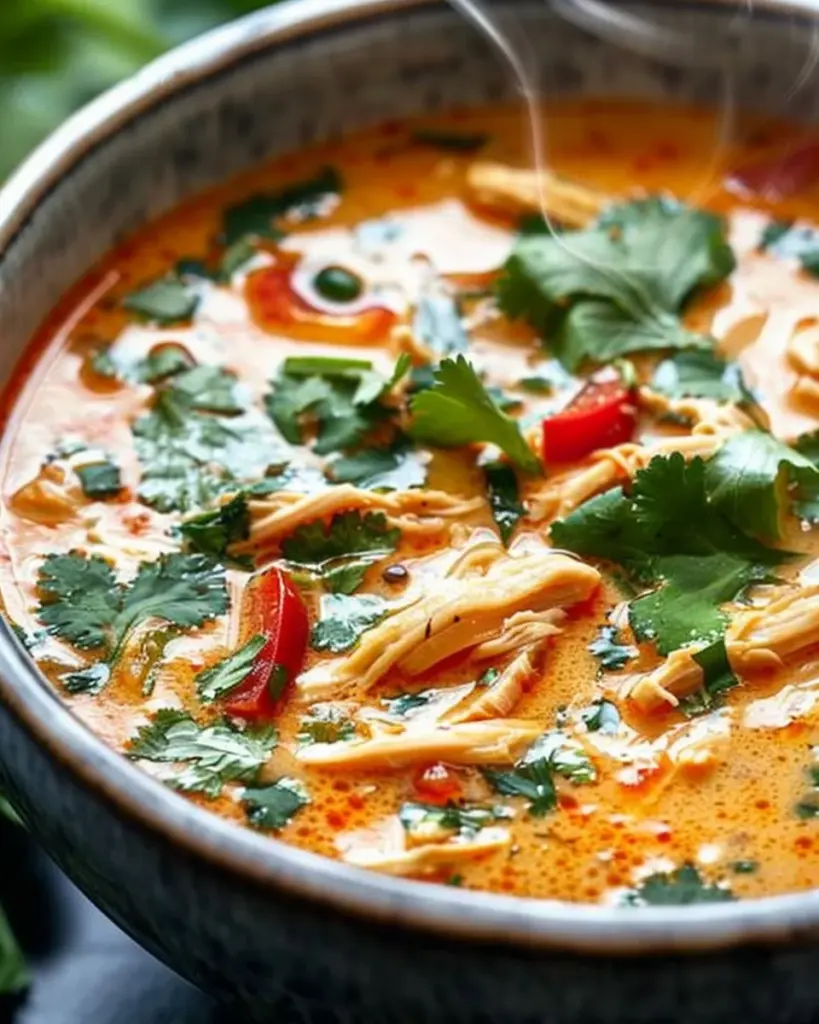
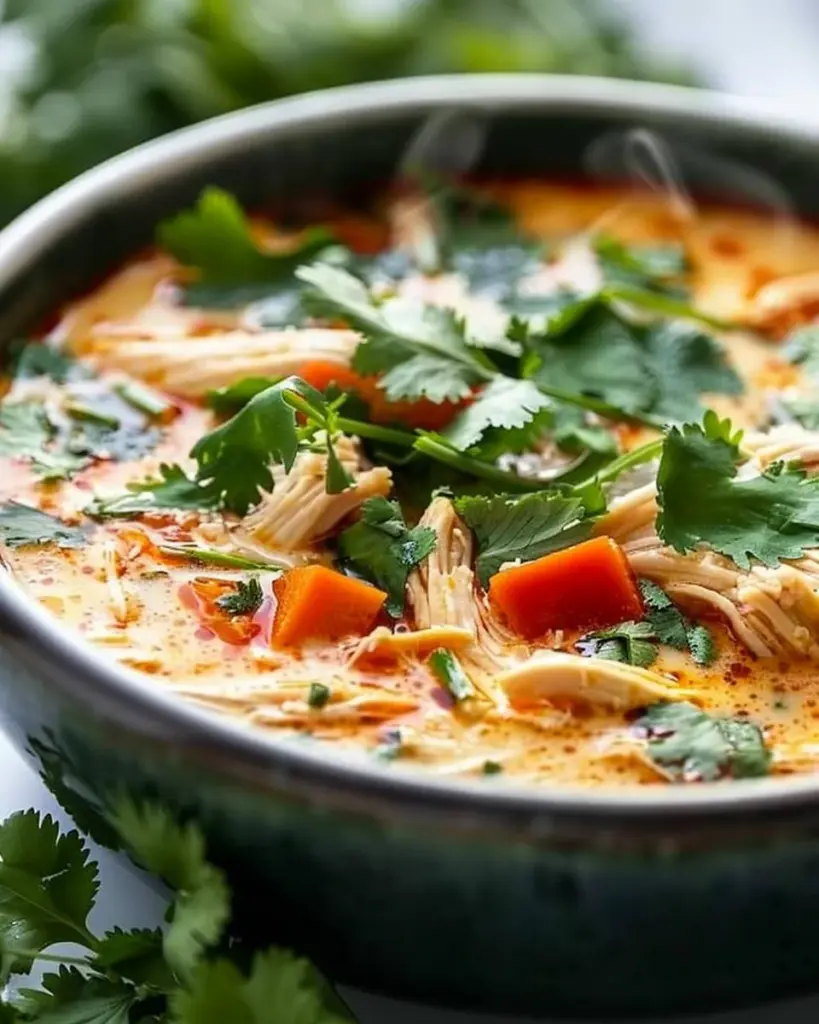
If you’re craving a soul-soothing meal that’s both comforting and exotic, this Crockpot Thai Coconut Chicken Soup delivers every time. Made with tender chicken, rich coconut milk, bold red curry paste, and zesty lime juice, it’s a deeply flavorful one-pot dish with minimal effort. This soup transforms everyday ingredients into a vibrant, Thai-inspired experience — all thanks to your slow cooker.
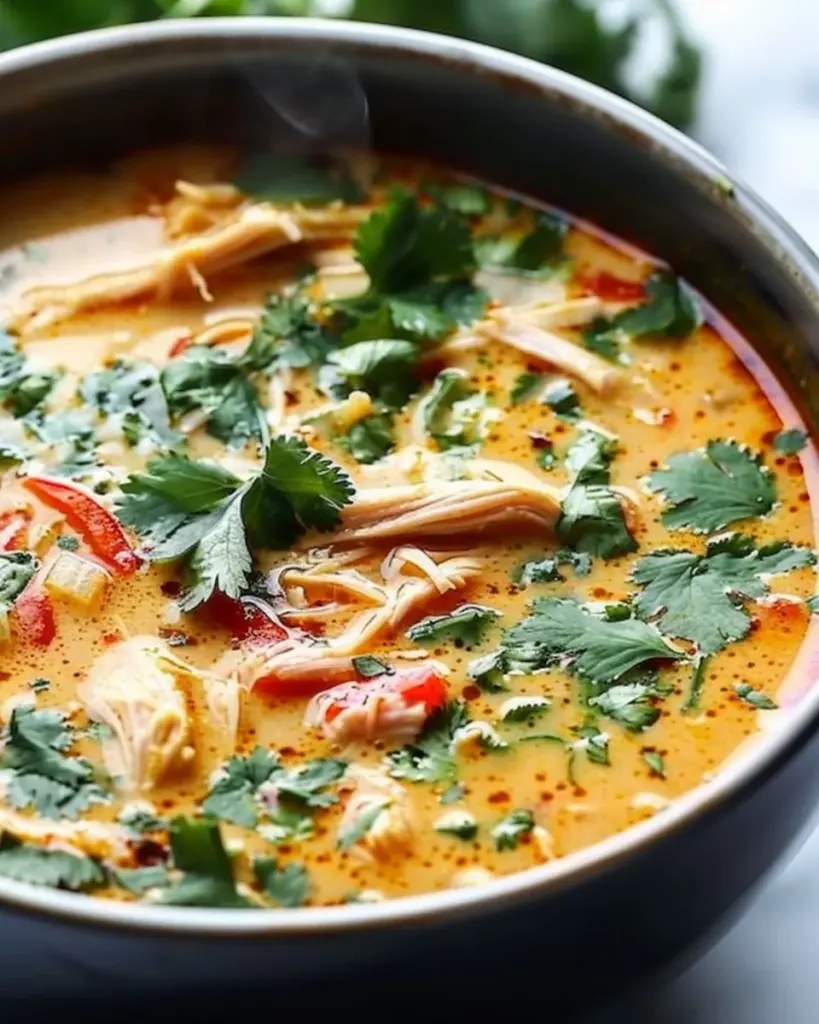
Whether you’re looking for a cozy dinner, something unique for meal prep, or a healthy and hearty soup, this recipe has you covered. The creamy base and aromatic spices make it a standout, while the slow cooker keeps things easy and foolproof.
You’ll love this recipe because:
- It’s a complete one-pot meal with minimal prep
- Bold flavors from Thai cuisine meet creamy comfort
- Slow-cooker method means hands-free cooking
- It reheats beautifully for leftovers
- Great for weeknights or meal prep
Preparation Phase & Tools to Use
Essential Tools and Equipment
To make the most out of your crockpot Thai coconut chicken soup, here are the essential tools you’ll need:
- Crockpot / Slow Cooker (4–6 quarts or larger): The star tool. It allows for slow simmering and even cooking.
- Sharp Chef’s Knife: For clean slicing of vegetables and chicken.
- Cutting Board: Preferably two—one for meat and one for vegetables.
- Measuring Cups & Spoons: To ensure precise quantities of liquids and seasonings.
- Can Opener: For your coconut milk.
- Ladle: For serving the soup cleanly.
- Two Forks: Used to shred the chicken once it’s cooked.
Tip: If you have an immersion blender, you can partially blend the soup at the end for a smoother texture, though this is optional.
Importance of Each Tool
Each tool plays a specific role in getting the most flavor and texture out of your dish:
- Slow Cooker: Creates tender chicken and allows the flavors to fully meld.
- Knife and Cutting Board: Clean prep ensures uniform cooking.
- Measuring Tools: Prevents overpowering flavors, especially with strong elements like red curry paste and fish sauce.
- Ladle and Forks: Makes serving and prepping the chicken easy and mess-free.
Preparation Tips
- Use full-fat coconut milk for a richer texture and to prevent separation.
- Stir the coconut milk before adding to ensure a smooth consistency.
- Chop all vegetables and aromatics in advance to save time.
- Taste your curry paste before using — some brands are spicier than others.
- For a deeper flavor, sauté onion, garlic, and curry paste before adding to the slow cooker. This is optional but adds richness.
- Add the lime juice only at the end to retain its brightness.
Ingredients
Organized by category for easy shopping and preparation.
Main Proteins & Broth Base
- 1 lb boneless, skinless chicken breasts
- 4 cups chicken broth (low-sodium preferred)
- 1 can (14 oz) full-fat coconut milk
Seasonings & Flavor Boosters
- 2 tablespoons red curry paste (adjust for heat)
- 1 tablespoon fish sauce
Aromatics & Vegetables
- 1 onion, diced
- 2 garlic cloves, minced
- 1 red bell pepper, sliced
Finishing Touches
- Juice of 1 lime
- Fresh cilantro, chopped (for garnish)
Optional Add-ins:
- Sliced mushrooms, carrots, baby spinach, or snow peas (add in final hour)
- Red chili flakes for extra heat
- Lemongrass or fresh ginger for added aroma
Step-by-Step Directions
Follow these simple steps to bring this fragrant, Thai-inspired soup to life.
- Prep Ingredients
- Dice the onion
- Mince garlic
- Slice red bell pepper
- Open and stir the coconut milk if separated
- Layer in the Slow Cooker
- Add chicken breasts to the bottom of the crockpot
- Pour in chicken broth and coconut milk
- Stir in red curry paste and fish sauce
- Add diced onion, garlic, and sliced bell pepper
- Cook the Soup
- Cover and cook on LOW for 6–7 hours or HIGH for 3–4 hours, until chicken is fully cooked and tender
- Shred the Chicken
- Remove chicken breasts and shred using two forks
- Return shredded chicken to the soup
- Finish the Flavor
- Stir in lime juice
- Taste and adjust seasoning (more curry paste for heat, more lime for brightness, a pinch of salt if needed)
- Serve and Garnish
- Ladle soup into bowls
- Garnish with fresh cilantro
- Optional: Add lime wedge, bean sprouts, or chopped peanuts on top
Serving Suggestions
This crockpot Thai coconut chicken soup is rich, creamy, and full of bold Thai flavors. It deserves thoughtful accompaniments that elevate the experience and add texture, contrast, or balance to the dish.
Here are the best ways to serve it:
- Serve in deep bowls: This soup has a luxurious, slightly thick broth, so use wide bowls to allow space for garnishes and sides.
- Top with fresh garnishes: A sprinkle of fresh chopped cilantro, extra lime wedges, sliced jalapeños, bean sprouts, or chopped peanuts adds vibrant flavor and visual appeal.
- Make it a full meal: Serve over a bed of steamed jasmine rice or rice noodles to transform it into a hearty dinner.
- Offer optional condiments: Chili garlic sauce, Thai basil, or hoisin can provide extra layers of heat, sweetness, or aroma.
For an authentic experience, pair this soup with Thai-inspired sides or even a cold drink like Thai iced tea or coconut water.
Common Mistakes to Avoid & How to Perfect the Recipe
This recipe is simple, but a few common errors can affect the flavor or texture. Here’s how to avoid them:
Mistake 1: Using Low-Fat Coconut Milk
- Problem: Causes separation or thin texture.
- Fix: Always use full-fat coconut milk for a rich, cohesive broth.
Mistake 2: Overcooking the Chicken
- Problem: Dry or stringy texture.
- Fix: Cook on low for 6–7 hours or high for 3–4 hours, and shred just when tender.
Mistake 3: Adding Delicate Vegetables Too Early
- Problem: Vegetables like spinach or mushrooms can become mushy.
- Fix: Add vegetables like carrots, spinach, or mushrooms in the last hour of cooking.
Mistake 4: Not Stirring in Curry Paste Properly
- Problem: Uneven spice levels throughout the soup.
- Fix: Stir curry paste well into the broth and coconut milk before cooking.
Mistake 5: Skipping Lime Juice
- Problem: Soup may taste flat or overly creamy.
- Fix: Lime juice brightens and balances the rich coconut base.
Mistake 6: Not Adjusting for Heat
- Problem: Too spicy or too bland for personal preference.
- Fix: Start with 1 tablespoon red curry paste and adjust to taste at the end.
Mistake 7: Undergarnishing
- Problem: Missed opportunity to enhance flavor and texture.
- Fix: Use fresh herbs, chopped nuts, or a touch of fresh chili for contrast.
Perfecting the recipe is about understanding balance: spicy, sweet, salty, and acidic. Taste and adjust each element before serving.
Side Dish Recommendations
To complete your meal, pair this soup with one or more of these flavorful and texture-contrasting Thai-inspired side dishes.
Steamed Jasmine Rice
The soft, fluffy grains of jasmine rice are perfect for soaking up the rich coconut broth. Serve a scoop on the side or spoon the soup directly over it. The subtle fragrance of jasmine rice enhances the overall Thai profile of the meal and provides a neutral base that balances out the spiciness and creaminess of the soup.
Rice Noodles (Vermicelli or Flat)
Rice noodles are light yet filling and absorb the broth beautifully. Cook them separately, then add them directly to the soup bowls before ladling in the broth. This turns your soup into a Thai-style noodle bowl, making it heartier and more comforting. Use thin vermicelli for a lighter texture or flat noodles for a more robust bite.
Crusty Baguette or Rustic Bread
While not traditional, a crusty bread like a French baguette adds a satisfying crunch and soaks up the flavorful soup perfectly. The crispy outside and soft inside offer textural contrast to the smooth broth, making it a practical and comforting addition.
Thai Cucumber Salad
A simple cucumber salad with vinegar, sugar, chili, and cilantro adds a refreshing, crisp counterpoint to the warm, creamy soup. It balances the richness with cool acidity and is especially helpful if you’re serving a spicier version of the soup.
Steamed Bok Choy or Kai Lan (Chinese Broccoli)
Lightly steamed bok choy or kai lan adds nutrition, color, and texture. Toss with a dash of sesame oil or soy sauce for added flavor. Serve it as a small vegetable side or mix it into the soup during the last 15 minutes of cooking.
Spring Rolls or Fresh Summer Rolls
These rice-paper rolls filled with shrimp, tofu, rice noodles, lettuce, and mint are light and fresh. They contrast the warmth and richness of the soup with cool, crunchy texture. Serve them with peanut or hoisin dipping sauce for a satisfying side.
Thai Basil and Peanuts
A sautéed side of Thai basil and crushed peanuts lightly tossed in fish sauce makes a bold, aromatic accompaniment. You can eat it separately or stir a spoonful into the soup for an herbal, nutty lift. It adds both texture and flavor complexity.
Coconut-Mango Chutney or Pickled Pineapple
A slightly sweet and tangy condiment like mango chutney with coconut or a quick pickled pineapple provides a unique contrast. This tropical flavor blend plays well with the soup’s coconut milk base and adds a sweet-and-sour counterpoint to the savory broth.
Recipe Tips
Perfecting this crockpot Thai coconut chicken soup comes down to attention to detail and ingredient balance. Here are expert-level tips to elevate the dish:
- Use full-fat coconut milk for a creamier consistency and stable texture during long cooking.
- Sear the chicken briefly in a skillet before adding to the slow cooker for a deeper, caramelized flavor (optional but impactful).
- Add aromatics like fresh ginger, lemongrass, or kaffir lime leaves to enhance authenticity. Tie them in cheesecloth or remove before serving.
- Stir in lime juice only at the end to keep the flavor fresh and avoid bitterness.
- Blend a small portion of the soup before adding shredded chicken to create a thicker, silkier broth.
- Adjust salt and spice levels just before serving. Coconut milk can mellow spice, so taste and correct at the end.
These simple enhancements can take the soup from great to unforgettable.
Storage Instructions
Refrigeration:
- Allow the soup to cool to room temperature within 1–2 hours.
- Store in airtight containers in the refrigerator for up to 4 days.
- Stir well before reheating, as separation may occur with coconut milk.
Freezing:
- Freeze the soup (without cilantro or lime juice) in freezer-safe containers for up to 3 months.
- Leave 1 inch of headspace to allow for expansion.
- Note: Coconut milk may slightly change texture when thawed, but reheating will restore consistency.
Reheating Instructions
Stovetop Method:
- Pour desired portion into a saucepan.
- Heat gently over medium heat, stirring occasionally.
- Add a splash of broth or water if the soup has thickened too much.
Microwave Method:
- Transfer to a microwave-safe bowl.
- Cover loosely and microwave in 60–90 second bursts, stirring between intervals.
Re-garnish after heating with fresh lime juice and chopped cilantro to refresh flavors.
Frequently Asked Questions (FAQs)
Can I use chicken thighs instead of chicken breasts?
Yes, chicken thighs are an excellent alternative. They’re juicier and add more flavor. Cook as directed and shred just before serving.
Is it necessary to use fish sauce?
Fish sauce adds authentic umami depth, but you can substitute it with soy sauce or tamari for a milder or vegetarian-friendly option.
Can I make this in an Instant Pot?
Yes. Use the sauté function for aromatics, then pressure cook on high for 8–10 minutes. Shred the chicken and stir in lime juice after quick-releasing the pressure.
Why does my coconut milk separate?
Separation can happen when cooking at high temperatures or using low-fat coconut milk. Use full-fat versions and stir thoroughly before cooking.
Can I make it vegetarian or vegan?
Absolutely. Use vegetable broth, omit the chicken, and substitute tofu or mushrooms. Replace fish sauce with soy sauce or a vegan fish sauce alternative.
How spicy is the soup?
The spice level depends on how much red curry paste you use. Start with 1 tablespoon and add more to taste once the soup is cooked.
Can I add more vegetables?
Yes. Mushrooms, baby spinach, carrots, snow peas, or even zucchini can be added. Add delicate vegetables during the last hour of cooking.
Can I freeze the leftovers?
Yes. Let the soup cool and freeze without garnishes. Reheat gently and add fresh cilantro and lime juice just before serving.
What are the best toppings or garnishes?
Chopped cilantro, fresh lime juice, sliced jalapeños, bean sprouts, Thai basil, and chopped peanuts all add flavor, color, and texture.