easy Minestrone Soup
Easy Minestrone Soup is the ultimate comfort food — a hearty, Italian-inspired classic that warms the soul and nourishes the body. Loaded with vibrant vegetables, tender beans, and al dente pasta, all simmered in a rich tomato broth, this recipe is both satisfying and simple. Whether you’re looking for a quick weeknight dinner, a meal prep staple, or a cozy dish for chilly evenings, this soup has you covered.
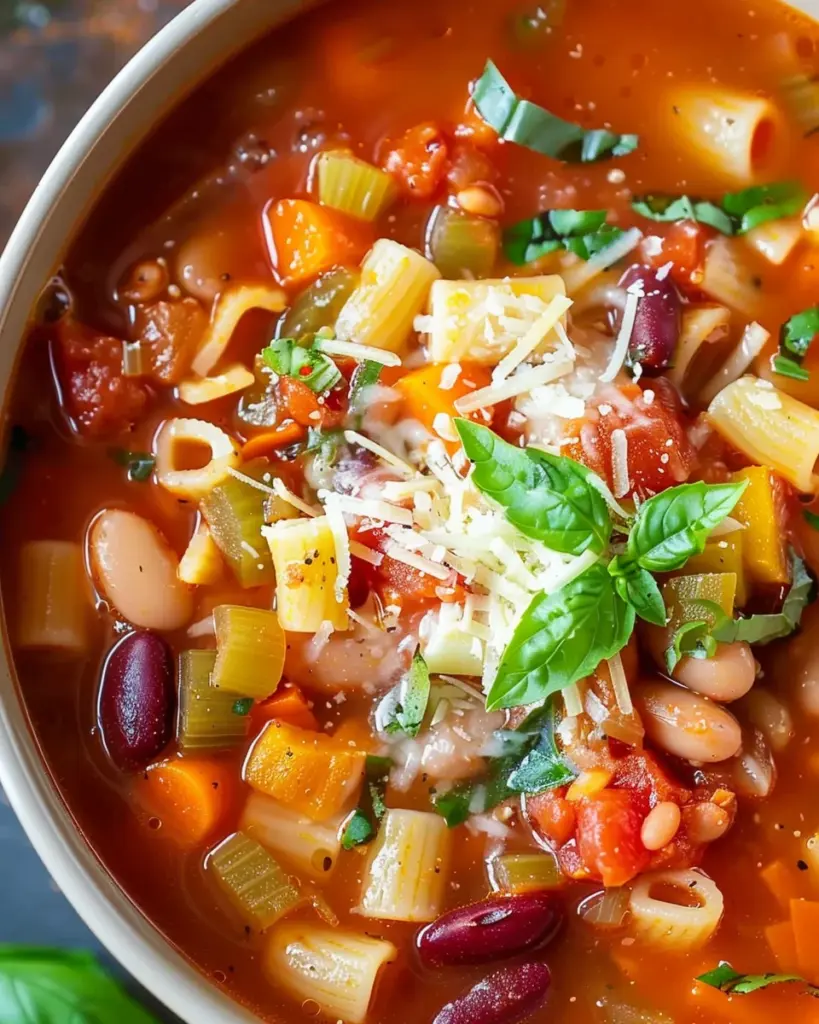
What makes this easy Minestrone Soup stand out? It’s incredibly flexible. Use the vegetables you have on hand, choose your favorite pasta shape, and season to your liking. Plus, it stores and reheats beautifully — making it ideal for leftovers or freezing.
Why you’ll love this recipe:
- One-pot simplicity: Less mess, more flavor.
- Customizable: Use seasonal veggies, your preferred beans, or gluten-free pasta.
- Wholesome and healthy: Packed with fiber, protein, and vitamins.
- Perfect for meal prep: Make ahead and enjoy throughout the week.
In this guide, you’ll learn how to make the perfect easy Minestrone Soup, what tools and ingredients you’ll need, and step-by-step directions with pro tips for the best results.
Preparation Phase & Tools to Use
Essential Tools and Equipment
Before diving into the cooking process, having the right tools on hand makes all the difference:
- Large soup pot or Dutch oven – Provides even heat and enough space for all ingredients.
- Sharp chef’s knife – Ensures clean, even cuts for your vegetables.
- Cutting board – Use a large, stable surface for safe chopping.
- Wooden spoon or heat-resistant spatula – Ideal for stirring without damaging your pot.
- Measuring cups and spoons – Accurate measurements are key to flavor balance.
- Colander or fine mesh strainer – Useful for draining and rinsing canned beans.
Importance of Each Tool
- Soup Pot: A wide, deep pot prevents overflow and allows ingredients to cook evenly without crowding.
- Knife and Cutting Board: Uniform cuts ensure vegetables cook at the same rate, enhancing both texture and presentation.
- Measuring Tools: Ensure consistent seasoning and broth-to-ingredient ratio.
- Colander: Rinsing canned beans removes excess sodium and improves flavor.
Preparation Tips
- Chop vegetables uniformly to ensure even cooking.
- Rinse canned beans thoroughly to reduce sodium and improve texture.
- Heat the broth slightly before adding it to maintain a steady cooking temperature.
- Have everything prepped before cooking begins (mise en place) for smoother workflow.
- Use high-quality olive oil and butter — they lay the foundation of flavor for the entire soup.
- Cut vegetables slightly smaller than bite-size for quicker cooking and easier eating.
Required Ingredients
Organized for easy reading and prepping:
- 1 tablespoon olive oil
- 1 tablespoon butter
- 1 medium onion, chopped
- 2 sticks celery, chopped
- 3 medium carrots, peeled and sliced
- 3 cloves garlic, minced
- 1 (28-ounce) can crushed tomatoes
- 4 cups chicken broth or vegetable broth
- 1 small zucchini, chopped
- 1 cup chopped fresh green beans
- 1 (14-ounce) can red kidney beans, drained
- 1 (14-ounce) can white kidney (cannellini) beans, drained
- ½ teaspoon Italian seasoning
- ¾ cup uncooked elbow macaroni
- Salt and pepper to taste
- Fresh basil (optional), to taste
- Freshly grated Parmesan cheese, to taste
Substitution ideas:
- Use veggie broth for a vegetarian or vegan version.
- Swap elbow macaroni for small shells, ditalini, or orzo.
- Replace kidney beans with chickpeas, black beans, or great northern beans.
- Add leafy greens like spinach or kale at the end of cooking for extra nutrients.
Step-by-Step Directions
Follow these instructions for a flawless result. Each step includes tips to enhance flavor and texture.
- Sauté the aromatics
In a large soup pot, heat the olive oil and butter over medium heat. Add the chopped onion, celery, carrots, and garlic. Sauté for 7–10 minutes, or until the onions are translucent and the vegetables begin to soften.
Tip: Stir frequently to prevent sticking and to develop rich, savory flavor. - Add broth and bulk ingredients
Stir in the crushed tomatoes, broth, zucchini, green beans, red kidney beans, white kidney beans, and Italian seasoning. Increase the heat and bring to a boil.
Tip: Use warmed broth to speed up the boiling process.
Variation: Add a pinch of red pepper flakes for a bit of heat. - Simmer the soup
Once boiling, reduce the heat to a simmer. Partially cover the pot with the lid slightly ajar and cook for 10 minutes.
Tip: Simmering with the lid ajar helps the broth reduce slightly, concentrating flavor without over-thickening. - Add pasta
Stir in the uncooked elbow macaroni. Continue simmering, uncovered, for 15–20 minutes or until pasta and vegetables are tender. Stir occasionally to prevent sticking.
Tip: If you’re planning to freeze leftovers, cook pasta separately and add it when reheating. - Finish and season
Season generously with salt and pepper to taste. Stir in chopped fresh basil, if using. Serve hot with freshly grated Parmesan on top.
Tip: Taste the soup before adding more salt — remember the Parmesan will add salty umami.
Variation: Stir in a spoonful of pesto just before serving for a fresh, herby twist.
Serving Suggestions
Once your easy Minestrone Soup is ready, how you serve it can elevate the experience. Here are several practical and delicious ways to enjoy this hearty soup:
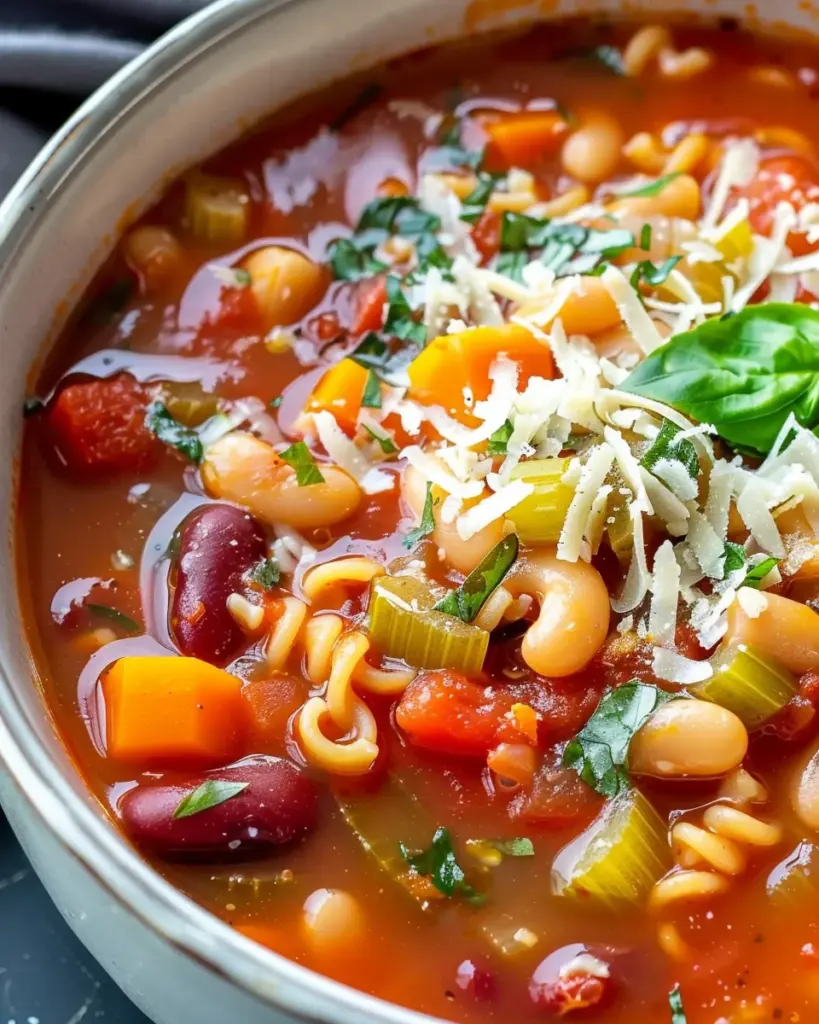
- Serve hot, straight from the pot in deep bowls. Ladle generously to include a balanced mix of pasta, vegetables, beans, and broth.
- Garnish generously with freshly grated Parmesan cheese, a few torn leaves of fresh basil, or a drizzle of quality olive oil.
- Add a swirl of pesto on top for an herby, savory upgrade.
- Serve with crusty bread such as ciabatta or sourdough for dipping into the tomato-rich broth.
- Pair with a crisp salad to balance the richness and complete the meal.
- For kids or picky eaters, blend part of the soup or chop veggies finer to create a smoother texture.
- Serve as a starter or main depending on portion size. It works great as both.
Whether enjoyed on its own or as part of a larger Italian-inspired meal, this soup is sure to satisfy.
Common Mistakes to Avoid & How to Perfect the Recipe
Even the simplest recipes can go sideways with a few missteps. Here are the most common easy Minestrone Soup mistakes — and how to avoid them.
Overcooking the Pasta
- Problem: The pasta becomes mushy and overdone.
- Solution: Add pasta during the last 15–20 minutes of cooking, or cook it separately and stir in just before serving. This is especially important if you plan to freeze or refrigerate leftovers.
Unevenly Chopped Vegetables
- Problem: Some vegetables are undercooked, others are mushy.
- Solution: Chop all vegetables to a uniform size to ensure even cooking throughout the soup.
Using Low-Quality Broth or Canned Beans Without Rinsing
- Problem: The soup tastes bland or too salty.
- Solution: Use a high-quality low-sodium broth, and rinse canned beans thoroughly to remove excess sodium and the canned flavor.
Soup Too Thick or Too Thin
- Problem: The soup has lost its ideal consistency.
- Solution: Add extra broth or water if too thick, especially after it sits. If too thin, let it simmer uncovered to reduce.
Not Stirring While Simmering
- Problem: Pasta and beans stick to the bottom and burn.
- Solution: Stir the soup occasionally, especially after adding pasta.
Overseasoning Too Early
- Problem: Too salty or overpowered by herbs.
- Solution: Add seasonings in stages, taste as you go, and finish with salt and herbs at the end for better balance.
Skipping the Garnishes
- Problem: The final dish feels incomplete or lacks complexity.
- Solution: Finish with Parmesan, fresh herbs, or a drizzle of olive oil for richness and depth.
Pasta Absorbs All the Broth in Leftovers
- Problem: The soup turns into a stew or becomes dry after storage.
- Solution: Store pasta separately or add extra broth before reheating.
By following these best practices, your easy Minestrone Soup will always turn out flavorful, well-balanced, and texturally perfect.
Side Dish Recommendations
Pairing your easy Minestrone Soup with a complementary side enhances the dining experience. Below are eight excellent side dish options to round out your meal.
1. Crusty Sourdough Bread
Thick slices of sourdough are perfect for dipping into the tomato-rich broth. The chewiness of the bread pairs wonderfully with the soft vegetables and tender beans.
2. Garlic Bread with Parmesan
This classic side adds buttery, garlicky flavor with a crunchy texture. Sprinkle with Parmesan before baking for added richness. Serve warm alongside the soup for a complete Italian experience.
3. Simple Green Salad with Lemon Vinaigrette
A light, crisp salad adds freshness and balances the richness of the soup. Use arugula, mixed greens, or romaine, and dress with a simple lemon vinaigrette to cleanse the palate.
4. Roasted Brussels Sprouts with Balsamic Glaze
These add an earthy, slightly sweet note to your meal. Roasting brings out the natural sweetness of Brussels sprouts, and a touch of balsamic glaze complements the tomato broth beautifully.
5. Italian Herb Focaccia
Fluffy, herbed focaccia is another ideal bread pairing. The olive oil and rosemary in the bread mirror the Mediterranean flavors in the soup, making it a harmonious match.
6. Antipasto Platter (Olives, Artichokes, Roasted Peppers)
Start the meal with an antipasto platter. The tangy, salty flavors of marinated olives, grilled artichokes, and roasted red peppers create a flavorful contrast with the comforting soup.
7. Parmesan and Herb Polenta Cakes
Crispy on the outside and creamy on the inside, these polenta cakes offer a satisfying textural contrast. Their subtle flavor complements the boldness of the tomato-based soup.
8. Light Italian Desserts: Tiramisu or Lemon Sorbet
Finish your meal with a light and refreshing dessert. Tiramisu offers richness and a sweet ending, while lemon sorbet refreshes the palate after a hearty soup.
Recipe Tips
These expert tips ensure your easy Minestrone Soup comes out perfect every time:
- Use fresh vegetables when possible. Seasonal produce enhances the flavor and texture of the soup.
- Don’t skip the sautéing step. Sautéing onions, celery, carrots, and garlic builds the foundational flavor.
- Rinse canned beans well to remove excess sodium and metallic taste.
- Taste as you go. Add salt and herbs gradually, and adjust at the end for the most balanced flavor.
- Cut vegetables into small, even pieces for faster and more even cooking.
- Let the soup rest after cooking for 10–15 minutes to let flavors fully develop.
Storage Instructions
Proper storage is crucial to preserve flavor, texture, and food safety.
- Refrigerator:
- Store in an airtight container for up to 4–5 days.
- Note that the pasta will continue absorbing broth over time, which may thicken the soup. Add extra broth when reheating.
- Freezer:
- For best results, freeze the soup without pasta.
- Pasta tends to become mushy when frozen and reheated.
- Freeze in labeled airtight containers for up to 3 months.
- Leave space at the top of containers for expansion.
- Make-ahead tip:
- Prepare the soup base (excluding pasta), cool it, then freeze.
- Cook fresh pasta separately and add when reheating to maintain ideal texture.
Reheating Instructions
- Stovetop:
- Place soup in a pot over medium heat.
- Stir occasionally and add extra broth or water if too thick.
- Heat until steaming hot (internal temp of 165°F / 74°C).
- Microwave:
- Use a microwave-safe bowl and cover loosely.
- Heat in 60-second intervals, stirring between each round.
- Add liquid as needed to restore original soup consistency.
- From Frozen:
- Thaw overnight in the fridge before reheating.
- If pasta was frozen with the soup, expect a softer texture.
- For best results, cook and add pasta fresh after reheating.
Frequently Asked Questions (FAQs)
Can I make this soup vegan?
Yes. Simply use vegetable broth instead of chicken broth, and skip the butter and Parmesan cheese. Use olive oil for sautéing and opt for vegan cheese or nutritional yeast for garnish.
Can I freeze Minestrone Soup?
Absolutely. It freezes well for up to 3 months. For best results, freeze the soup without the pasta and add freshly cooked pasta when serving.
Can I use frozen vegetables?
Yes. Frozen vegetables like green beans, peas, or carrots work well and reduce prep time. Add them straight to the pot during simmering.
Should I cook the pasta separately?
It depends. If you plan to eat all of the soup right away, cooking the pasta in the soup works fine. For leftovers or freezing, cook the pasta separately to maintain texture.
What type of pasta works best?
Small shapes like elbow macaroni, ditalini, orzo, or small shells are ideal. They hold their shape and distribute evenly throughout the soup.
Can I use different beans?
Yes. Feel free to substitute with chickpeas, black beans, navy beans, or great northern beans depending on your preference or what you have on hand.
How can I make the soup spicier?
Add a pinch of crushed red pepper flakes when sautéing the vegetables. You can also stir in a spoonful of spicy pesto or hot sauce before serving.
Is this soup gluten-free?
Not by default, but you can easily make it gluten-free by using gluten-free pasta and ensuring all canned goods are labeled gluten-free.
How can I add more protein?
Add cooked chicken, turkey, or ground beef for a meat-based version. Or stir in additional beans or a scoop of lentils during simmering for plant-based protein.
What herbs can I use besides basil?
Fresh parsley, thyme, oregano, or rosemary also pair well. A sprig of rosemary added during simmering and removed before serving adds great depth of flavor.