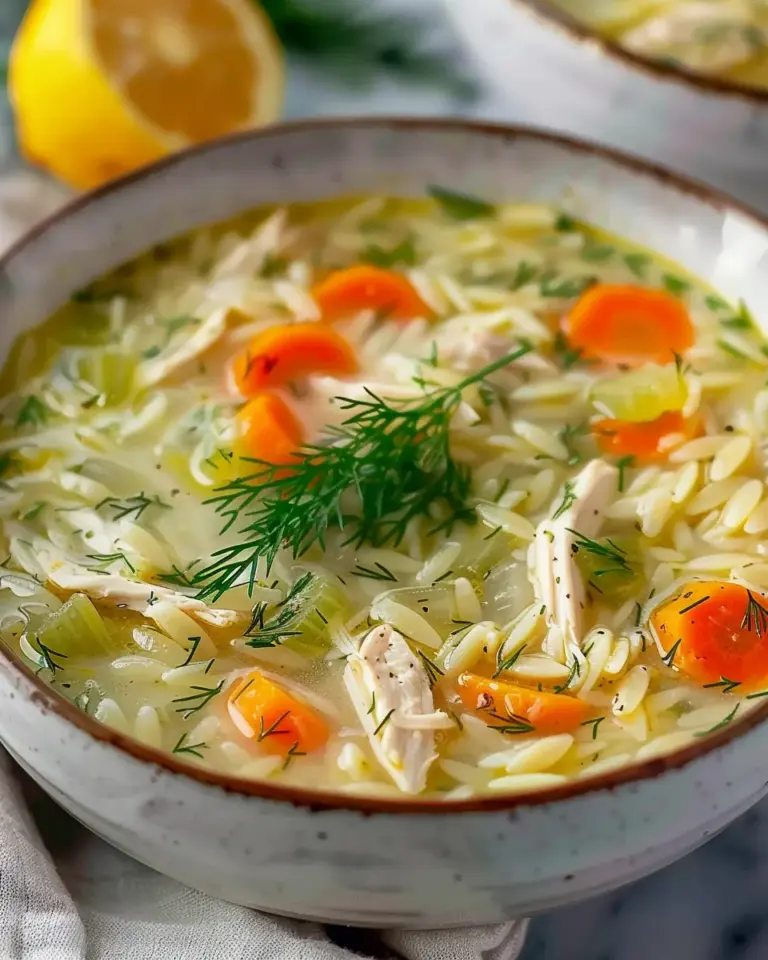
Russian Fish Soup Ukha
Ukha is a classic Russian fish soup rooted in centuries of culinary tradition. Historically, “ukha” referred to broth — first made from game or poultry, and only later (from the 15th century onward) evolving into a beloved fish soup.
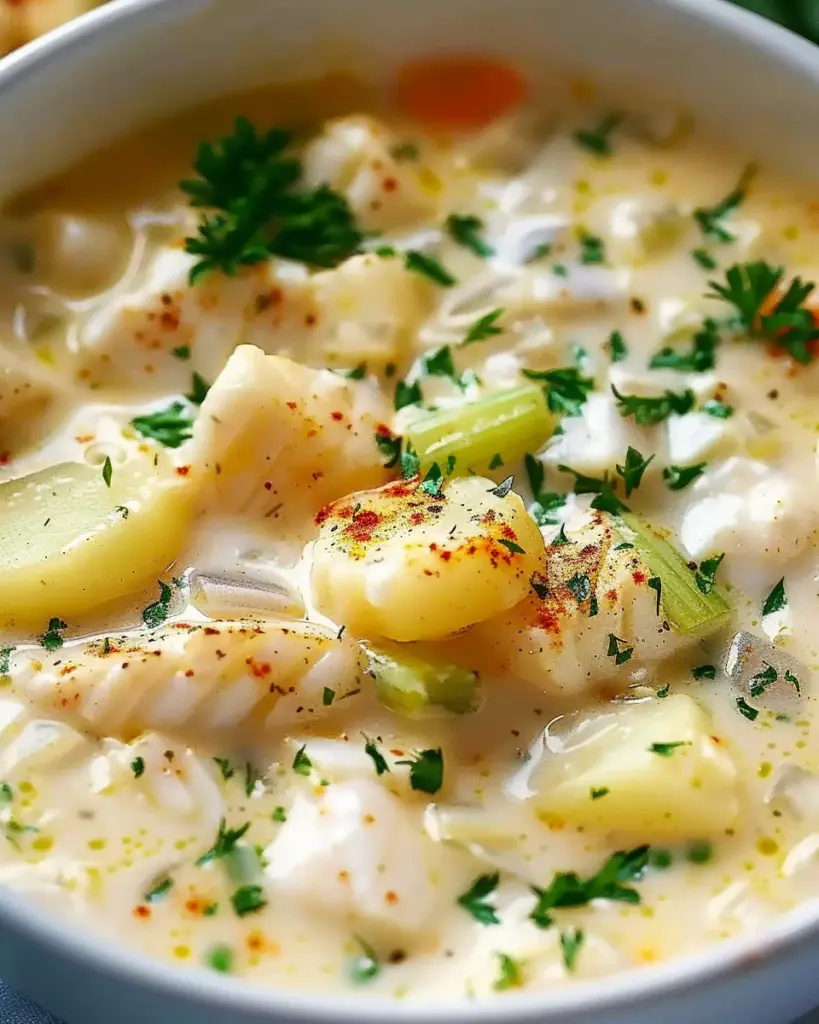
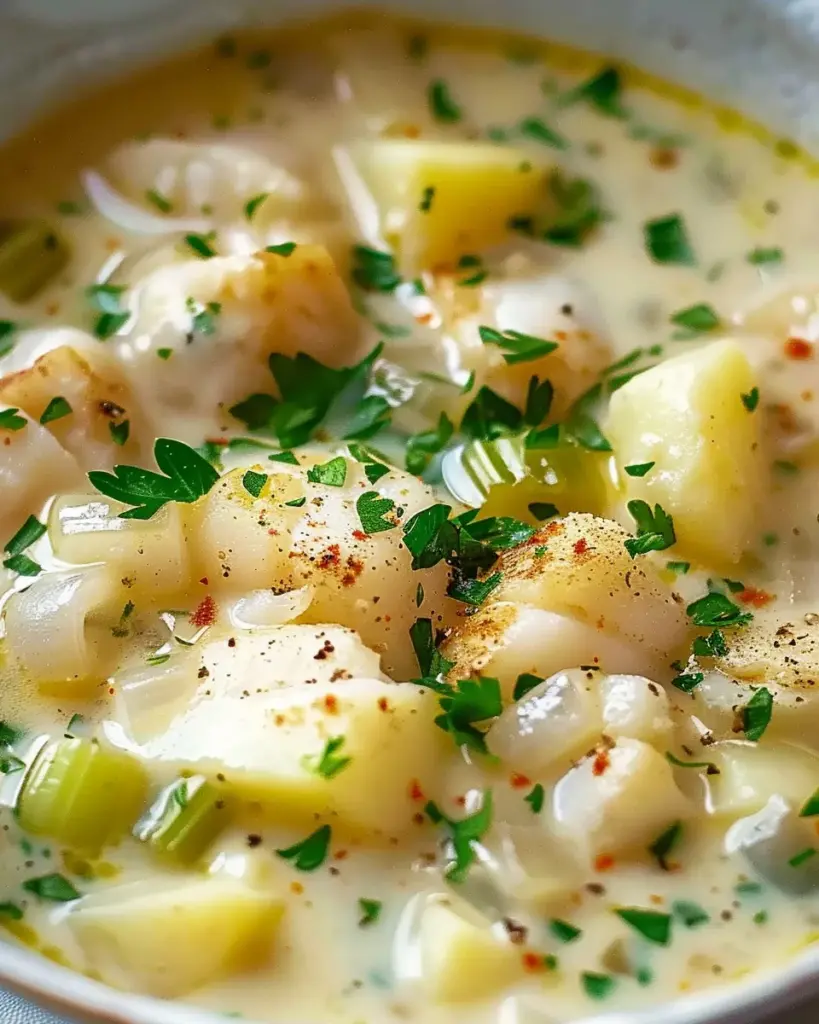
Today, Russian Fish Soup Ukha delights home cooks with its crystal‑clear fish broth, gentle aroma of fresh herbs, and comfortingly simple ingredients. It’s a dish that connects you with rustic riverside meals and centuries-old traditions — yet remains accessible and deeply satisfying in a modern kitchen.
You’ll love this recipe because:
- It celebrates fresh fish and simple, whole ingredients — delivering authentic flavor without complexity.
- It’s versatile: you can adapt the fish, herbs, and vegetables to what you have on hand.
- It’s hearty and wholesome, but never heavy — perfect as a warming soup, a light main course, or a cozy starter.
- It evokes tradition, calm, and comfort — a taste of old Russia in every spoonful.
Essential Tools and Equipment
- Heavy stock pot: Ensures even cooking and prevents burning.
- Immersion blender (optional): For a smoother, thicker texture in the soup.
- Sharp knife and cutting board: Essential for preparing vegetables and fish.
- Ladle and strainer: To separate stock from solids and achieve a clear broth.
Importance of each tool: Using the right equipment ensures consistent cooking, enhances flavor extraction from the fish and vegetables, and simplifies preparation.
Preparation Tips
- Rinse the fish thoroughly, removing all scales and innards.
- Chop vegetables uniformly to ensure even cooking.
- Divide vegetables into two portions: one for stock, one for the final soup.
- Keep fresh herbs ready and finely chopped for garnishing.
Ingredients
- 1 whole Seabream (gutted and scaled)
- 1 Salmon or Trout filet
- 4 large Potatoes (3 chopped, 1 left whole)
- 1 large Yellow Onion (half finely diced, half left whole)
- 4 medium Carrots (2 whole, 2 roughly chopped)
- 1 bunch Fresh Parsley (finely diced, divided into two portions)
- 2 stalks Fresh Lovage (optional, whole with leaves)
- 4 ribs Celery (2 whole, 2 roughly chopped, leaves separated)
- 4 tablespoons Olive Oil
- Salt and Pepper to taste
- 1 Bay leaf
Step-by-Step Directions
For the Fish Stock
- Bring 4 liters of water to a boil in a heavy-bottomed stock pot.
- Add whole vegetables: half of the onion, two whole carrots, lovage (if using), two whole celery ribs, half of the parsley, and the bay leaf.
- Reduce heat to low, cover the pot, and simmer for 45 minutes.
- Add the whole fish and continue simmering on low for 20 minutes, covered.
- Remove the fish from the pot, let it cool, then shred the meat. Discard bones and skin.
- Strain the stock carefully and set aside.
For the Fish & Vegetable Soup
- In the same pot, sauté the diced onions and carrots in olive oil until soft and lightly browned.
- Add the diced potatoes, the whole potato, and half of the remaining parsley.
- Pour in the reserved fish stock.
- Simmer on low heat for 25–30 minutes, or until potatoes are tender and the whole potato is fully cooked.
- Optional: Remove the whole potato and some broth, blend until smooth using an immersion blender, then return to the pot to thicken the soup while keeping some potato chunks.
- Add the shredded fish, lemon wedges, and remaining olive oil.
- Season with salt and pepper, tasting as it cooks.
- Let stand for 5 minutes, then garnish generously with remaining parsley.
Tips & Variations
- Add smoked fish for a deeper, more complex flavor.
- Include additional vegetables such as cabbage, green beans, or peas to enrich the soup.
- Substitute herbs like dill, fenugreek, oregano, or thyme according to taste.
- If lovage is unavailable, use a tablespoon of Vegeta or another seasoning blend.
Common Mistakes to Avoid & How to Perfect the Recipe
- Overcooking the fish: Fish cooks quickly; overcooking will make it tough and dry. Add fish towards the end of the cooking process.
- Over-salting the broth: Fish stock concentrates flavors, so season gradually and taste frequently.
- Skipping the straining step: Leaving vegetables and fish bones in the stock can affect clarity and texture. Always strain carefully.
- Not simmering gently: Boiling the soup vigorously can cloud the broth and break down delicate vegetables. Keep the heat low.
- Ignoring optional thickening steps: Blending some potato helps balance texture without overpowering the broth’s clarity.
Side Dish Recommendations
Serving Ukha with complementary sides enhances the meal and creates a more satisfying dining experience. Here are eight ideal side dishes:
1. Buttered Sourdough Bread
Thick, crusty slices complement the delicate flavors of the fish soup and can be used for dipping.
2. Rye Bread with Dill Butter
Dense rye paired with aromatic dill butter adds a traditional Eastern European touch.
3. Garlic Croutons
Crispy, flavorful croutons provide texture contrast and can be sprinkled directly on top of the soup.
4. Pickled Cucumbers
The acidity from pickled cucumbers balances the richness of the broth and fish.
5. Fresh Green Salad with Vinaigrette
A light, crisp salad with a tangy dressing refreshes the palate between bites of the hearty soup.
6. Roasted Root Vegetables
Carrots, parsnips, and beets roasted with olive oil and herbs pair naturally with the warm, brothy flavors.
7. Beetroot Salad
A traditional Russian salad featuring beets, onions, and a light dressing adds color and depth.
8. Mashed Potatoes
Creamy mashed potatoes can serve as a filling accompaniment, perfect for soaking up extra broth.
Recipe Tips
- Use fresh fish whenever possible: Fresh fish enhances the natural flavors of the broth and ensures the soup is light and aromatic.
- Control the simmering temperature: Keep the heat low when simmering fish and vegetables to maintain a clear, flavorful broth.
- Reserve some vegetables for blending: Blending a portion of the potato creates a thicker texture without compromising the soup’s clarity.
- Adjust herbs to taste: Fresh parsley, dill, or lovage can be varied depending on preference. Add delicate herbs at the end to retain aroma.
- Balance flavors gradually: Taste the soup before adding salt or additional seasonings to prevent over-salting.
Storage and Reheating Instructions
- Refrigeration: Store Ukha in a covered container in the refrigerator for up to 4 days. For optimal flavor, consume within 24 hours.
- Reheating: Reheat gently on low heat in a pot until warmed through. Avoid boiling to maintain a delicate broth.
- Freezing (optional): While Ukha is best fresh, you may freeze the broth without the fish for up to 2 months. Add fresh fish and vegetables after thawing.
FAQs
Q1: Can I use other types of fish?
A: Yes, cod, trout, or even shellfish work well. Adjust cooking times based on the fish’s density.
Q2: Is lovage necessary?
A: No. If unavailable, substitute with a tablespoon of Vegeta or herbs such as dill or thyme.
Q3: Can I make the soup creamy?
A: Yes. Use an immersion blender to puree part of the potato along with some broth. This thickens the soup while leaving chunks for texture.
Q4: Can I freeze Ukha?
A: It is best served fresh. Freezing may alter the texture slightly, but you can freeze the stock and add fresh fish after thawing.
Q5: How long should I simmer the stock?
A: Simmer vegetables for 45 minutes, then add fish for an additional 20 minutes. This ensures maximum flavor without overcooking.
Q6: What side dishes pair best with Ukha?
A: Crusty bread, garlic croutons, roasted root vegetables, and pickled cucumbers are all excellent companions.